Product images are intended to help you evaluate the item. Some details, including design, color, or configuration, may vary from what is shown in the photos. Please confirm any important details before placing your order.
Trailer Tow Hitch Receiver for BRP Maverick R
Part Number:BMS160033
Photos
Video
| Manufacturer: | BMS Engineering |
| Material: | Steel |
| Application: | BRP Can-Am Maverick R |
| Package size: | 20x12x13 cm (7.9x4.7x5.1 in) |
| Package weight: | 1.3 kg (2.9 lb) |
| Performance part: | Yes |
Price: 880 AED
Buy
Gallery
DESCRIPTION

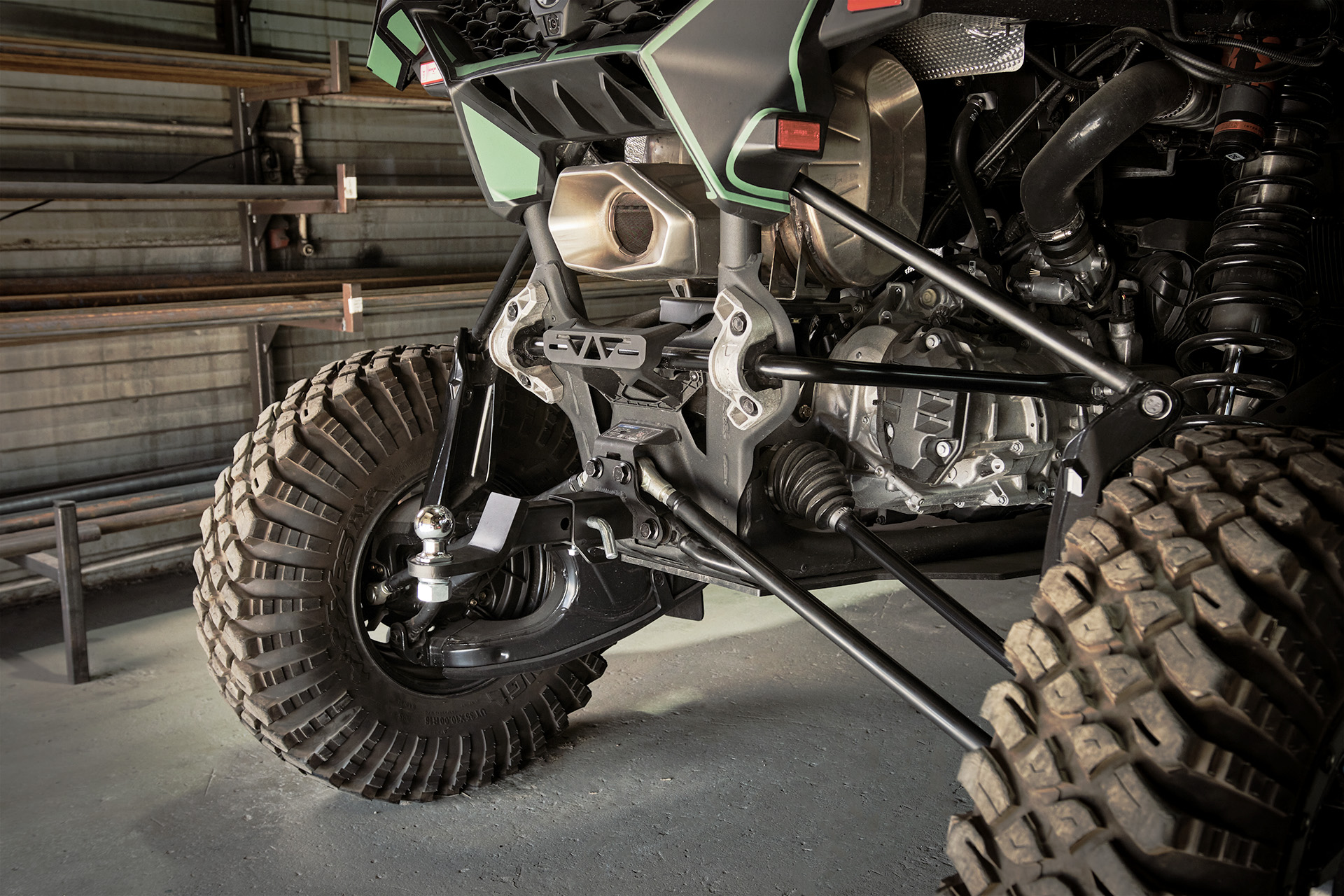
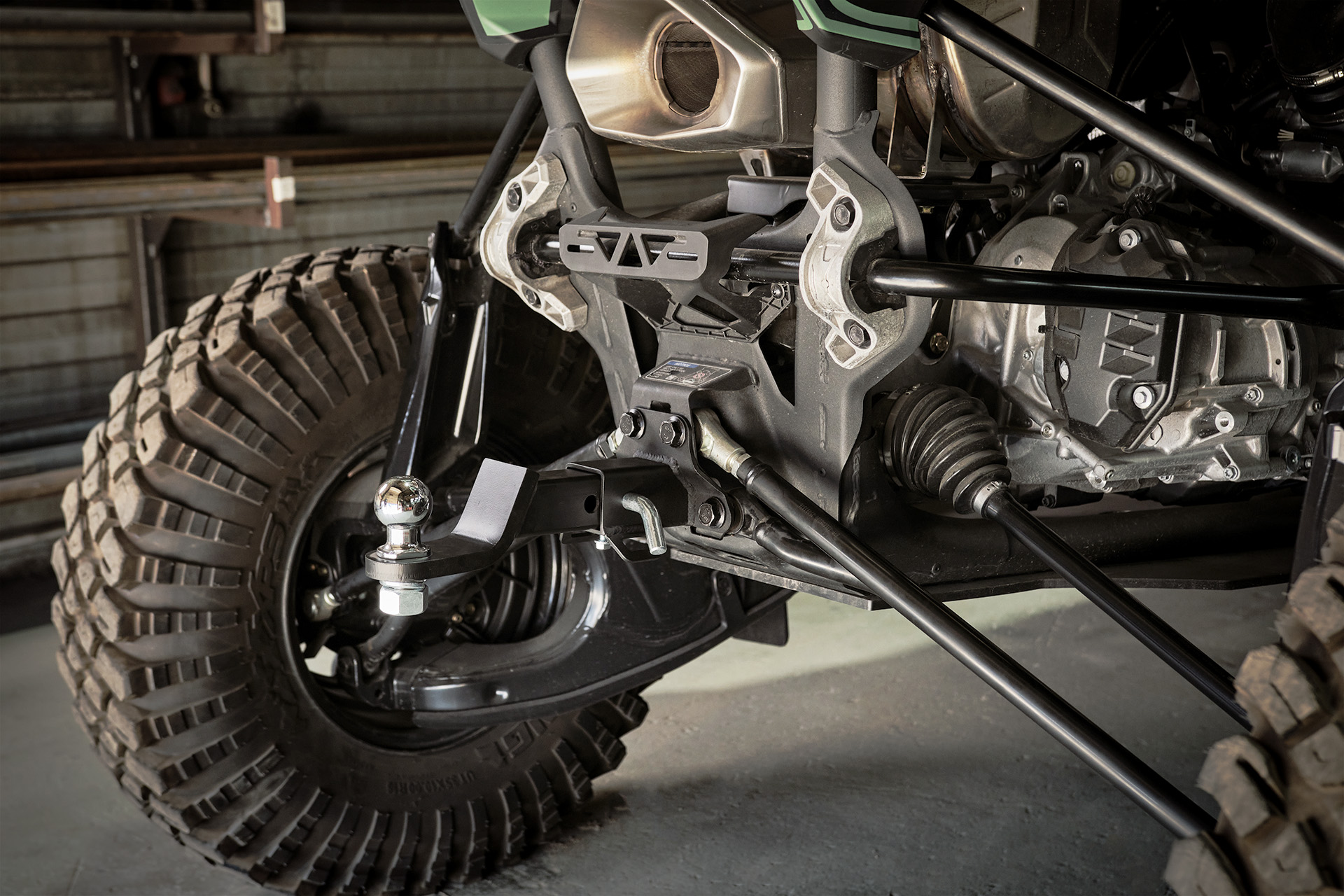
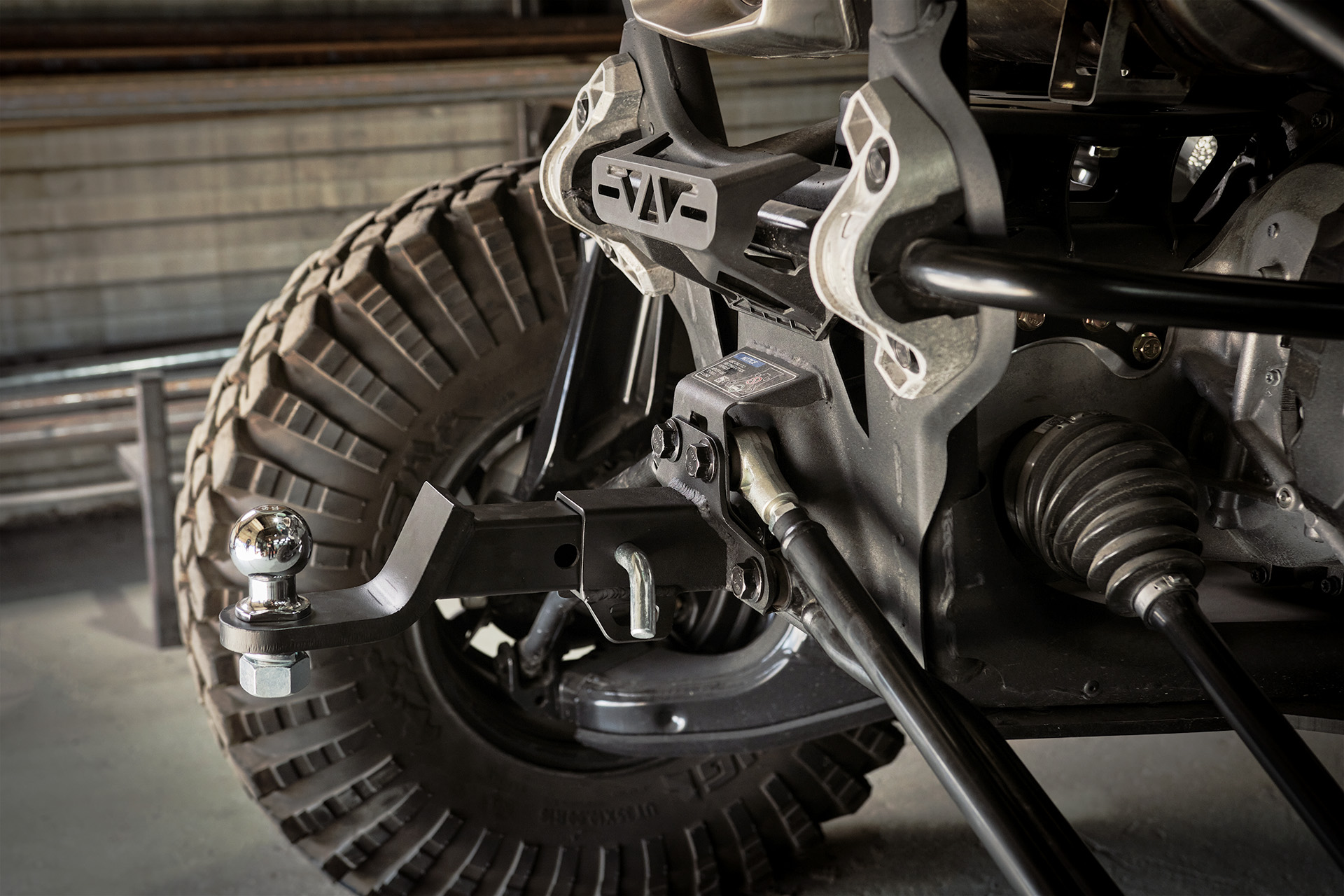
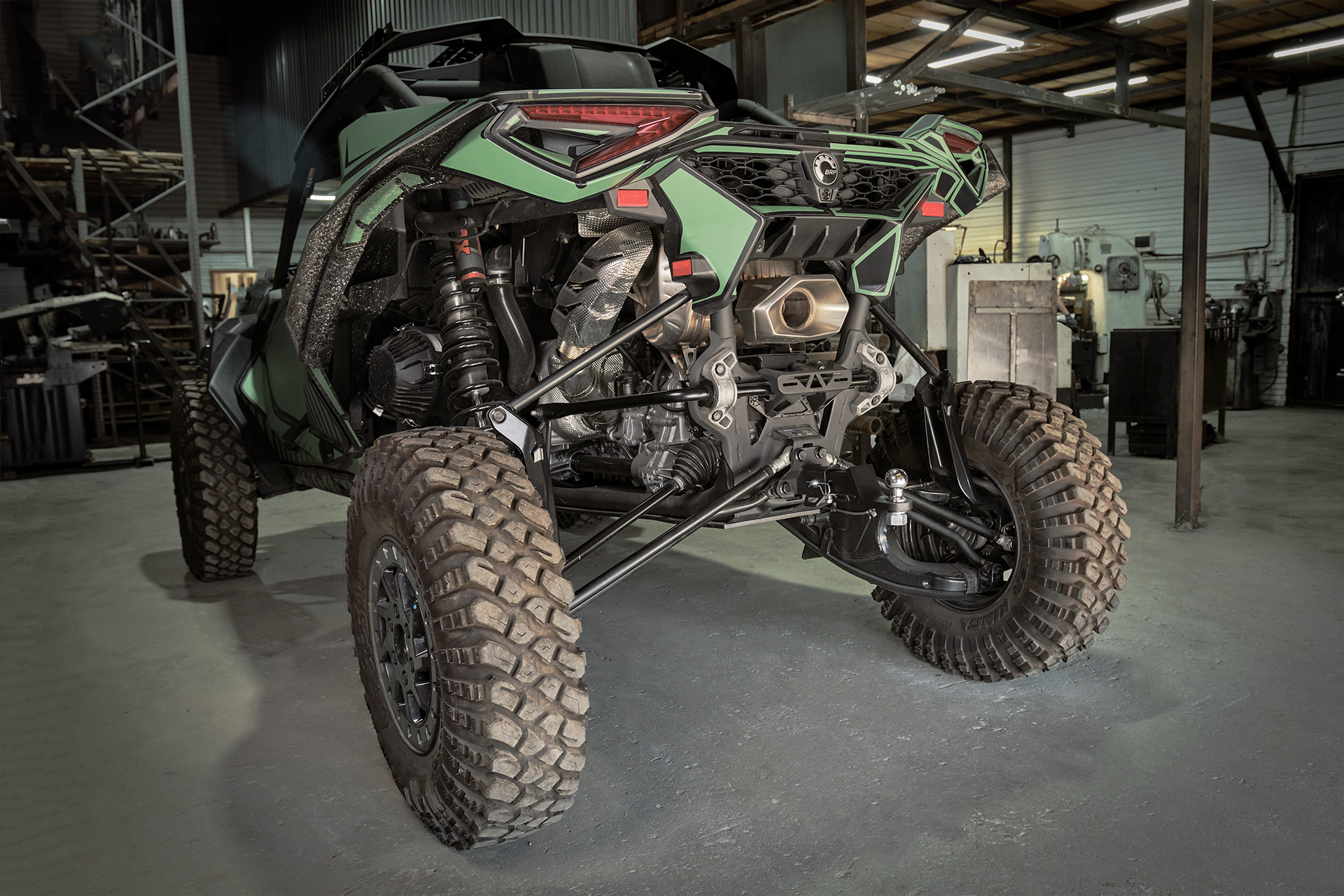
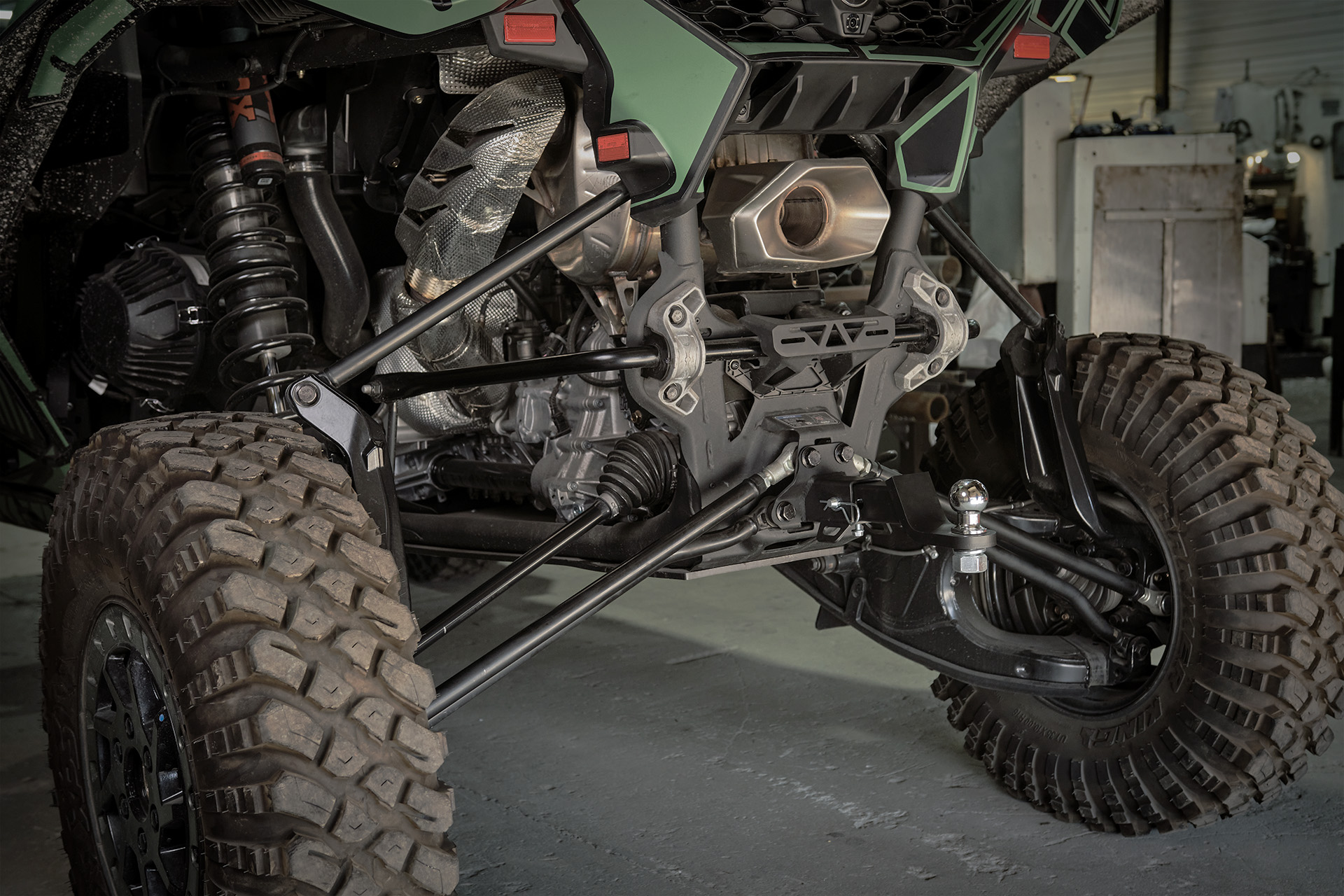
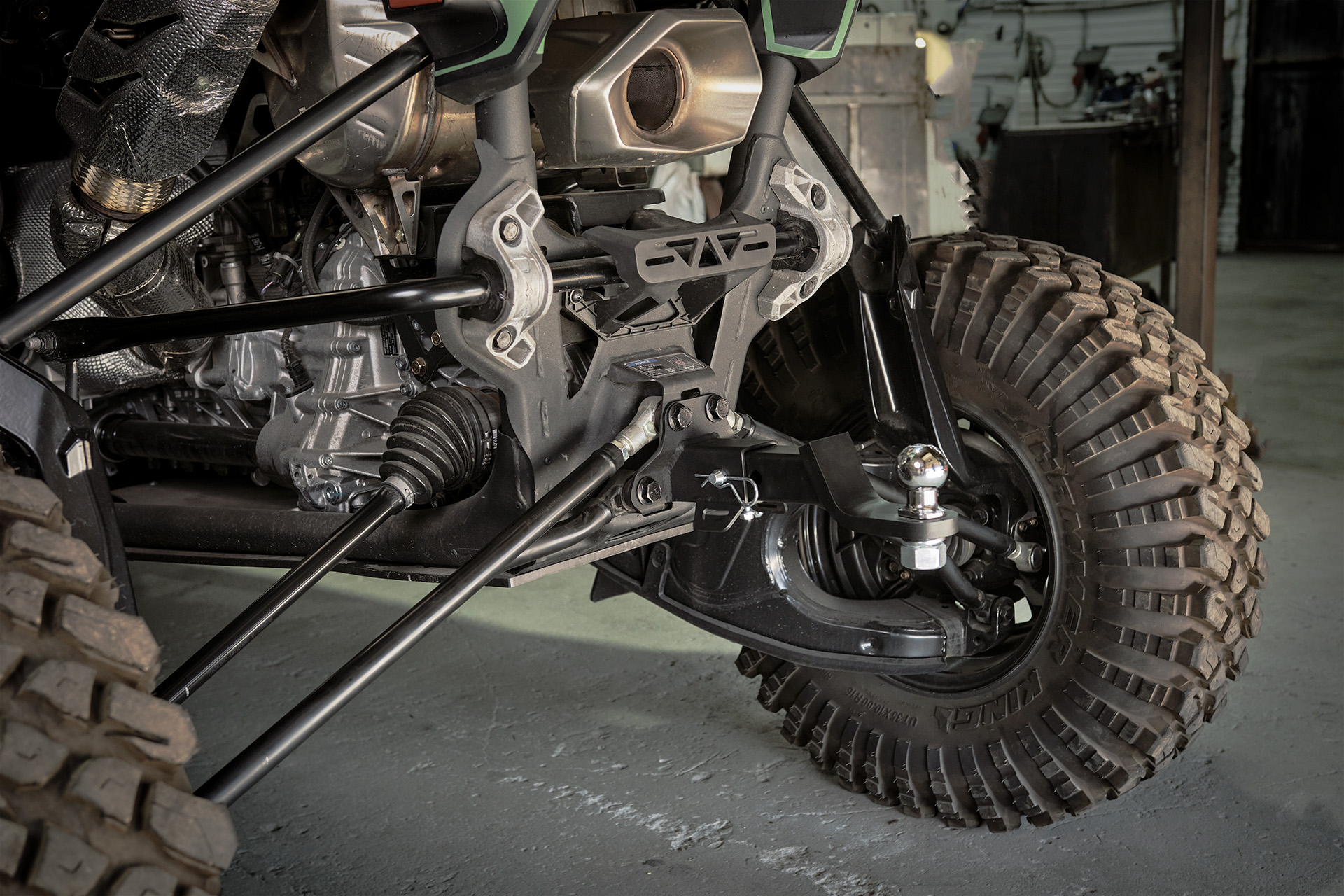
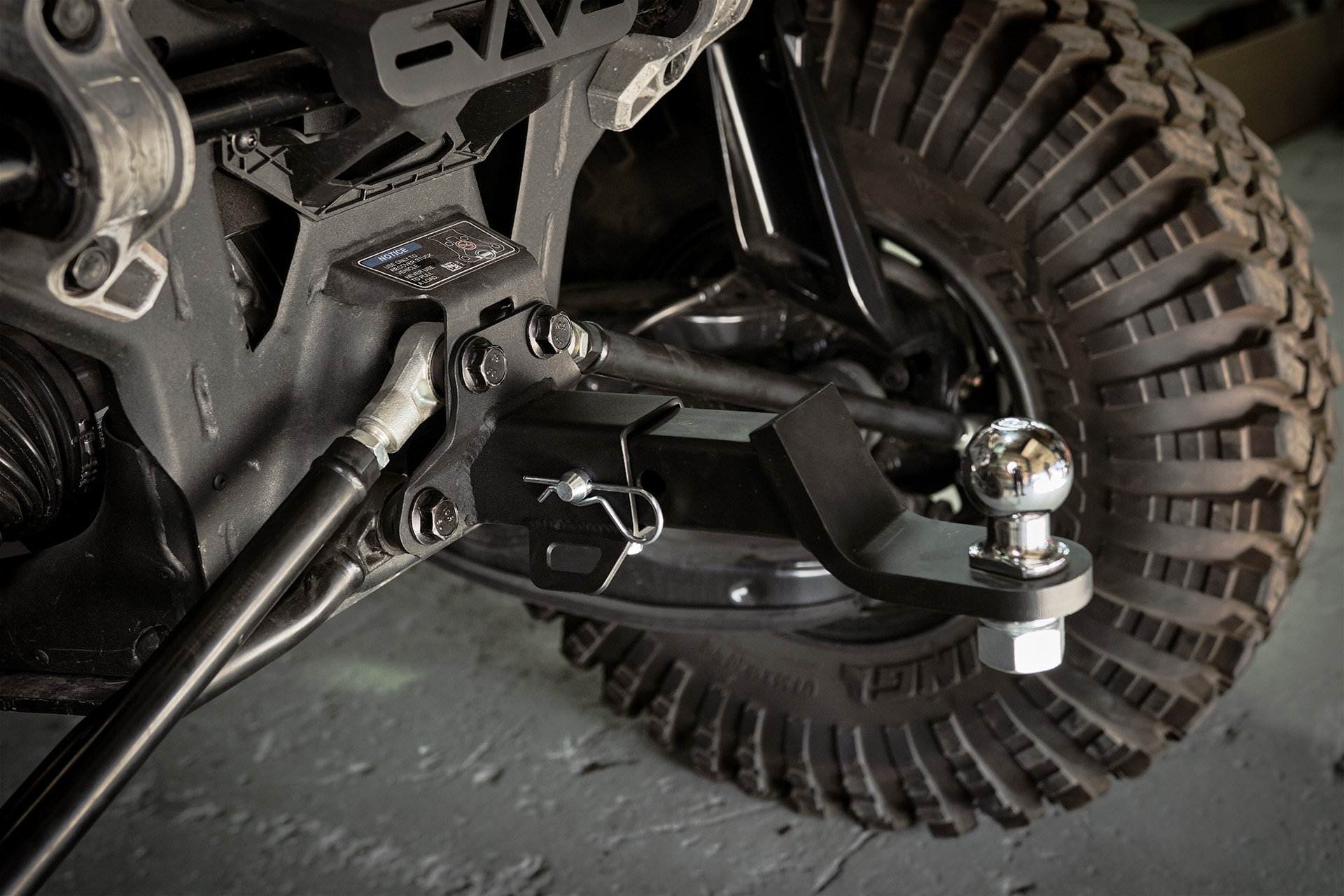
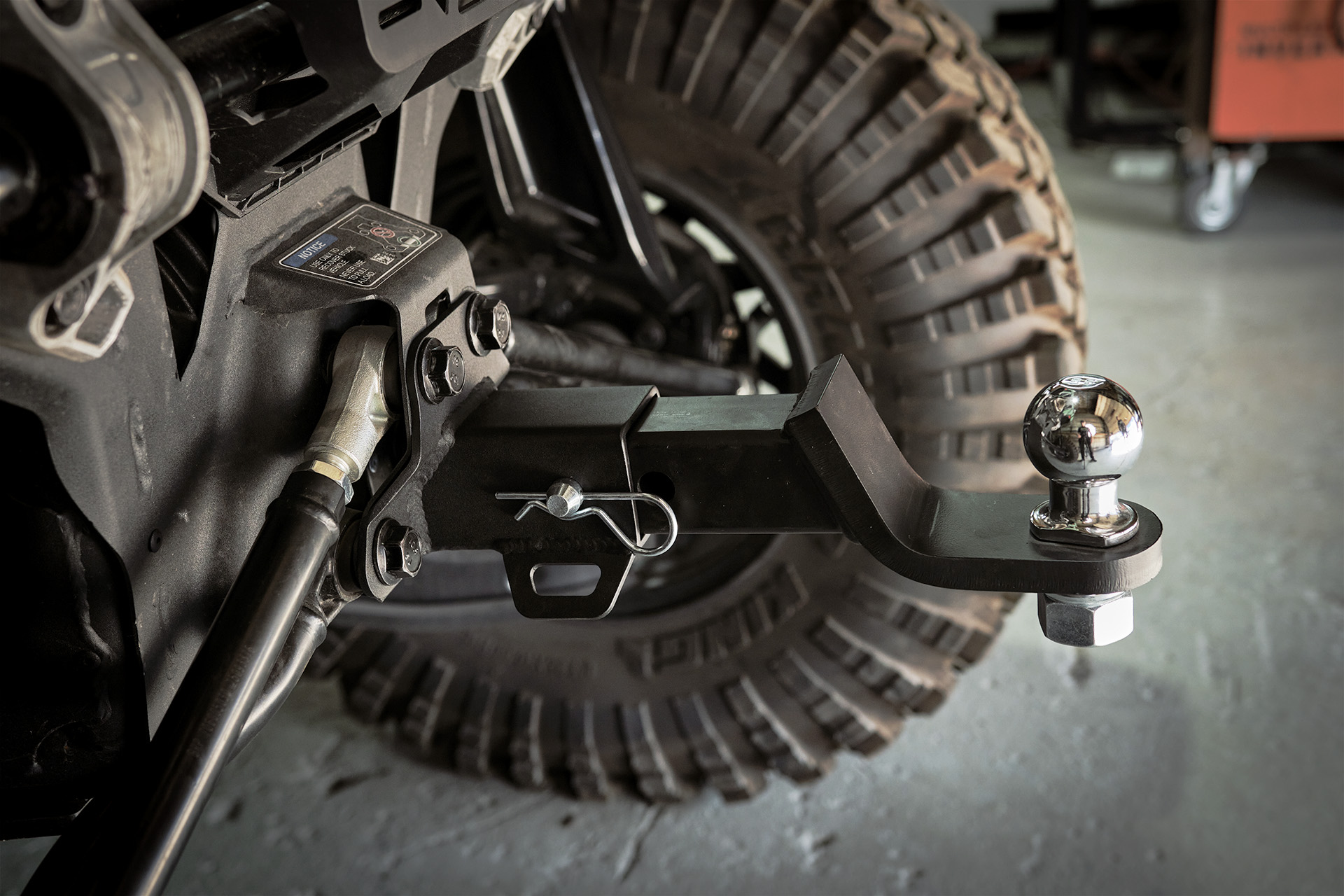
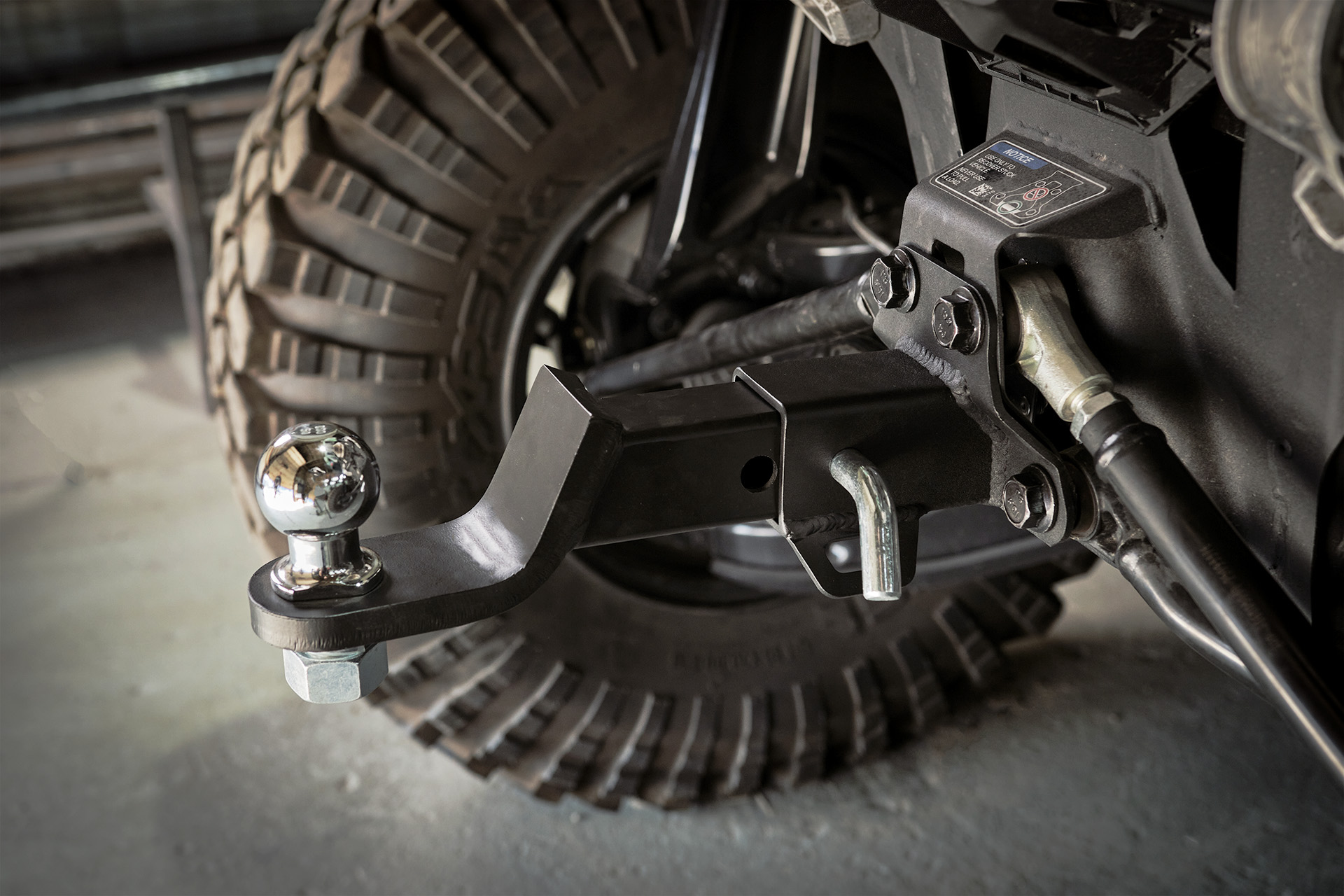
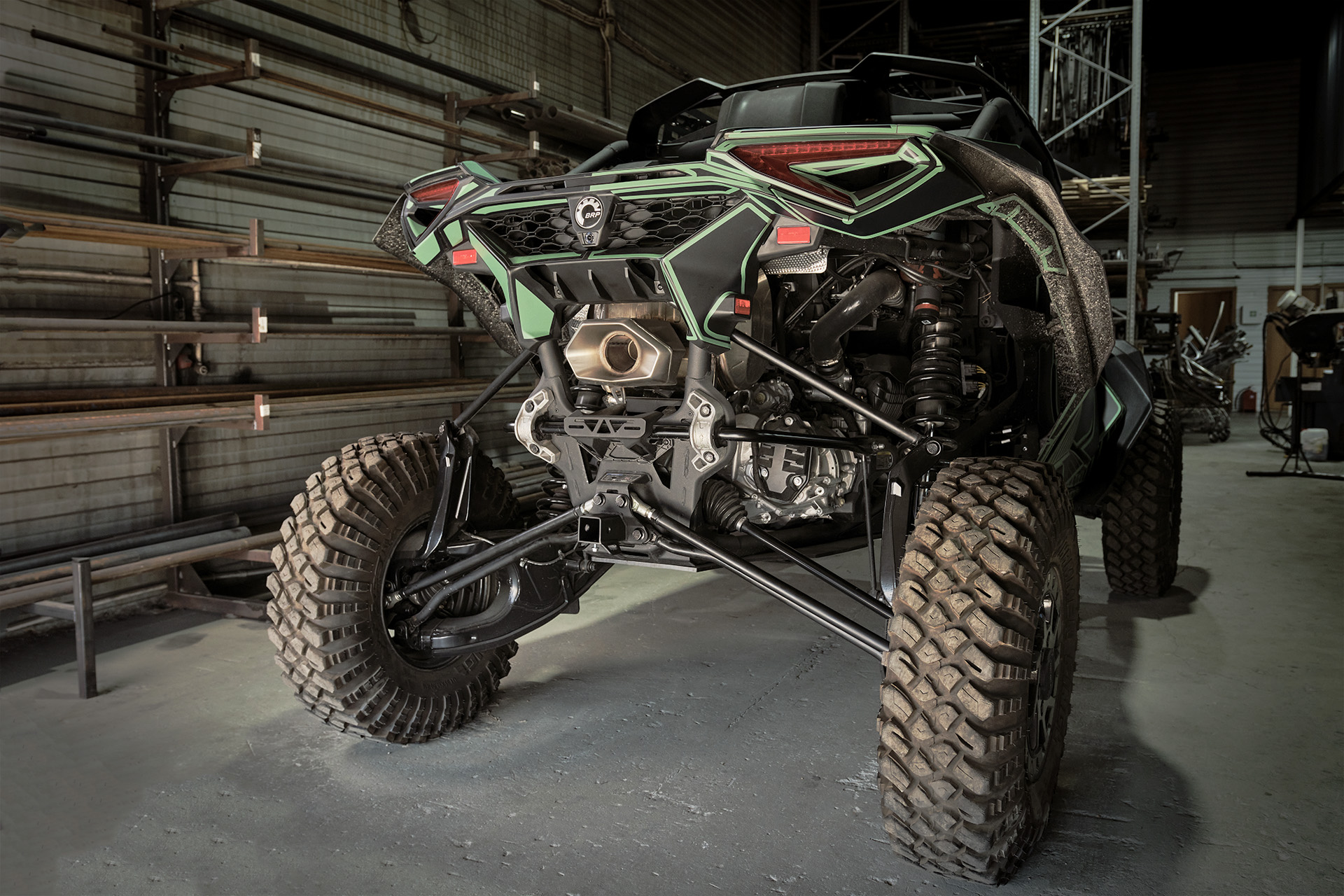
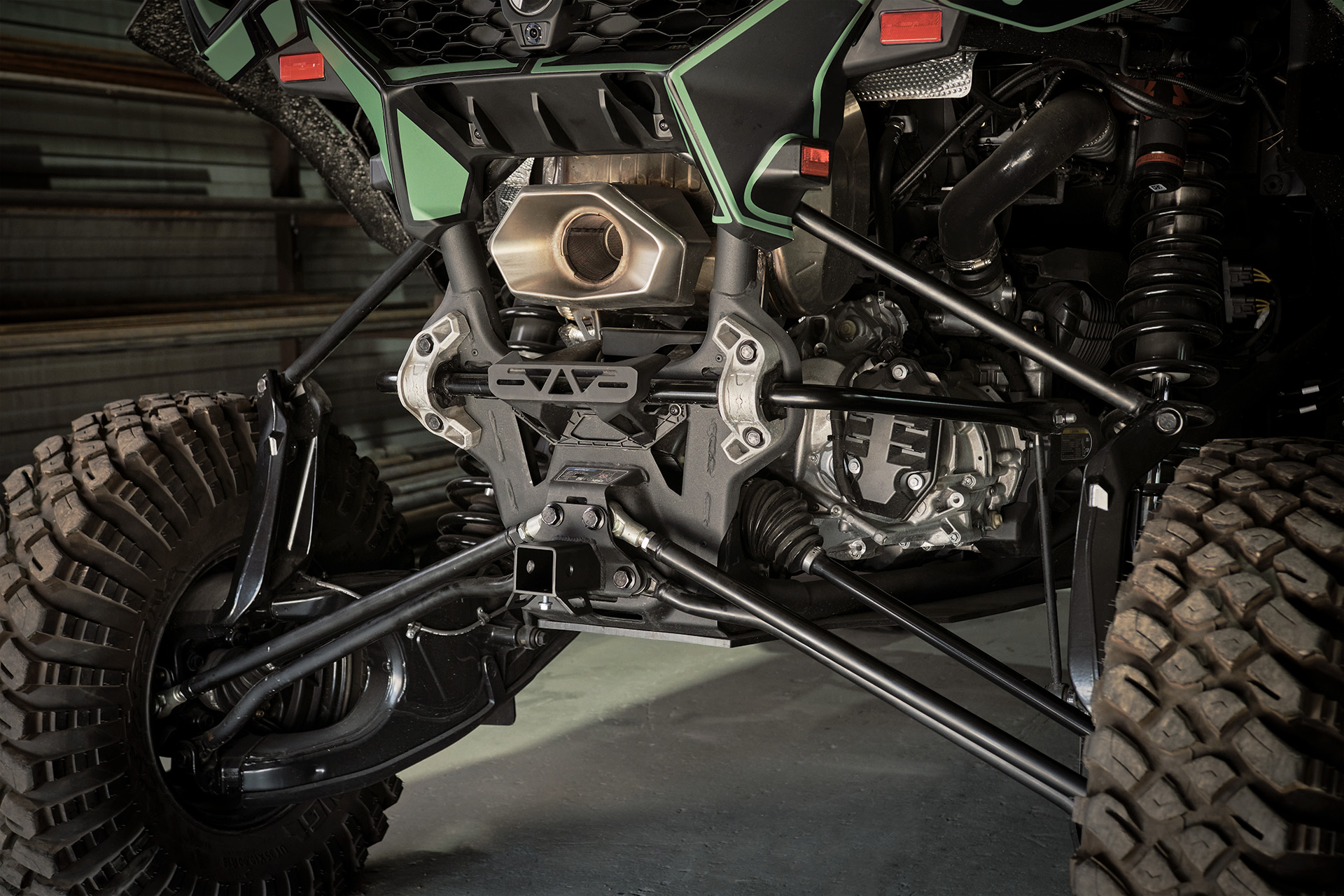

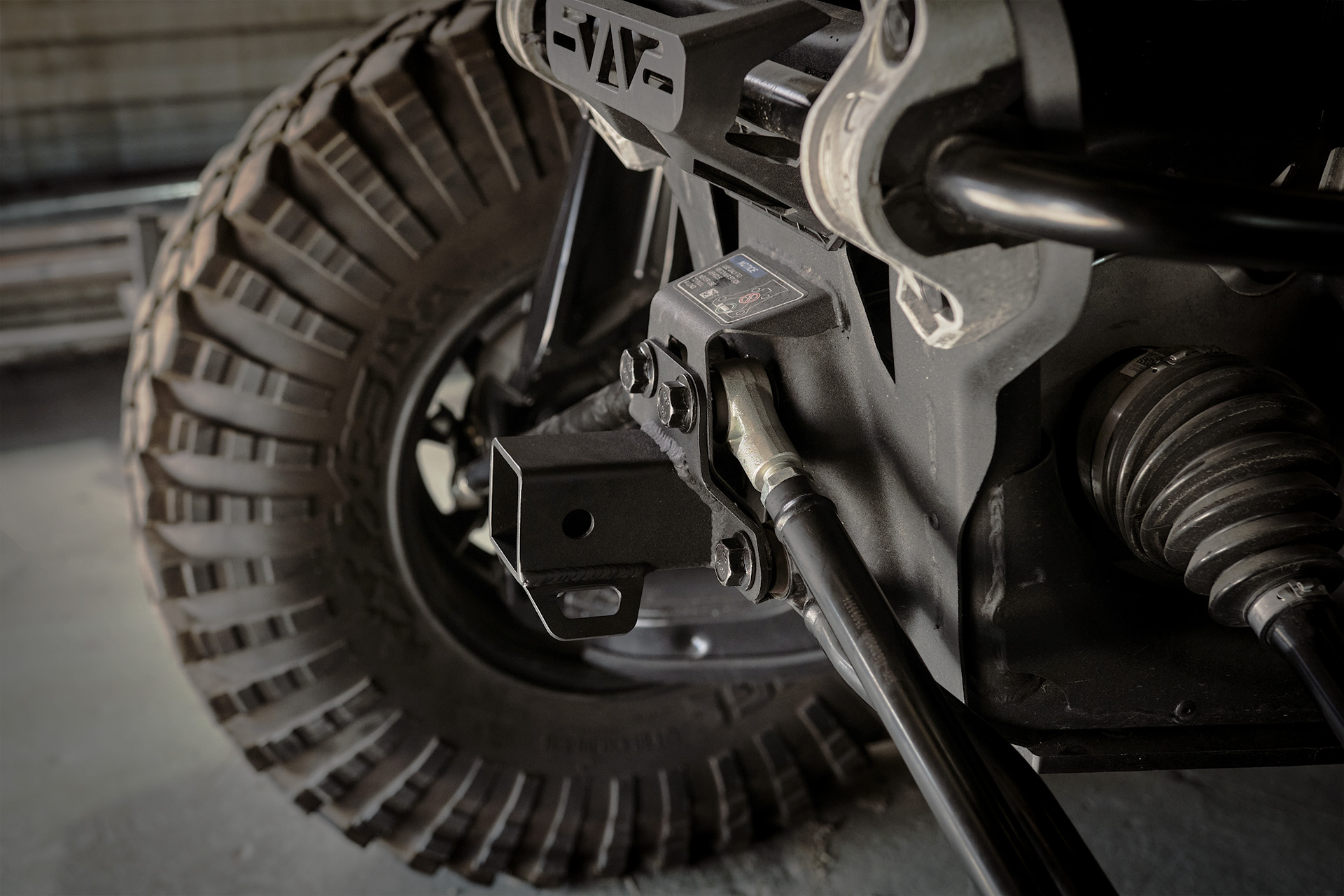
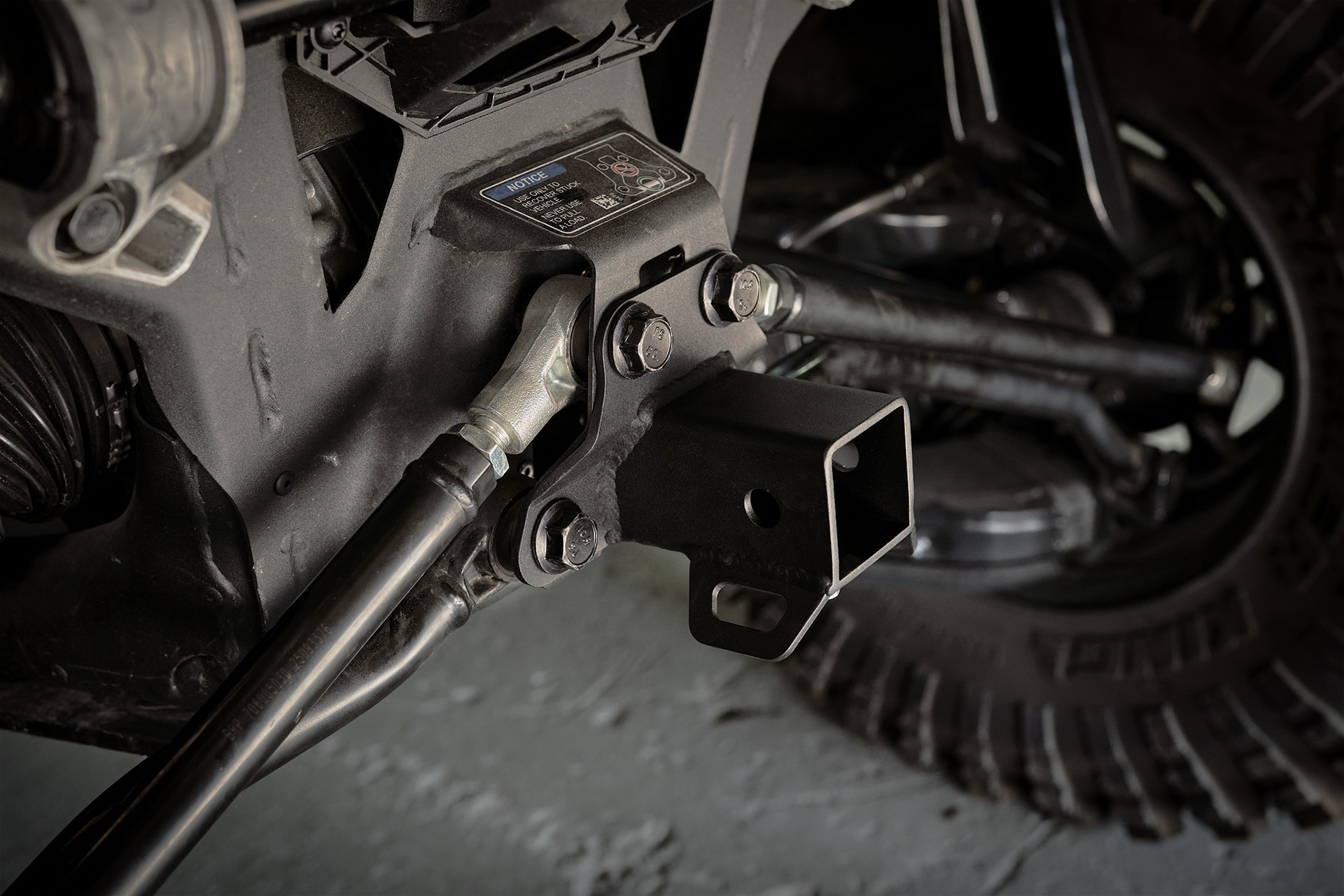
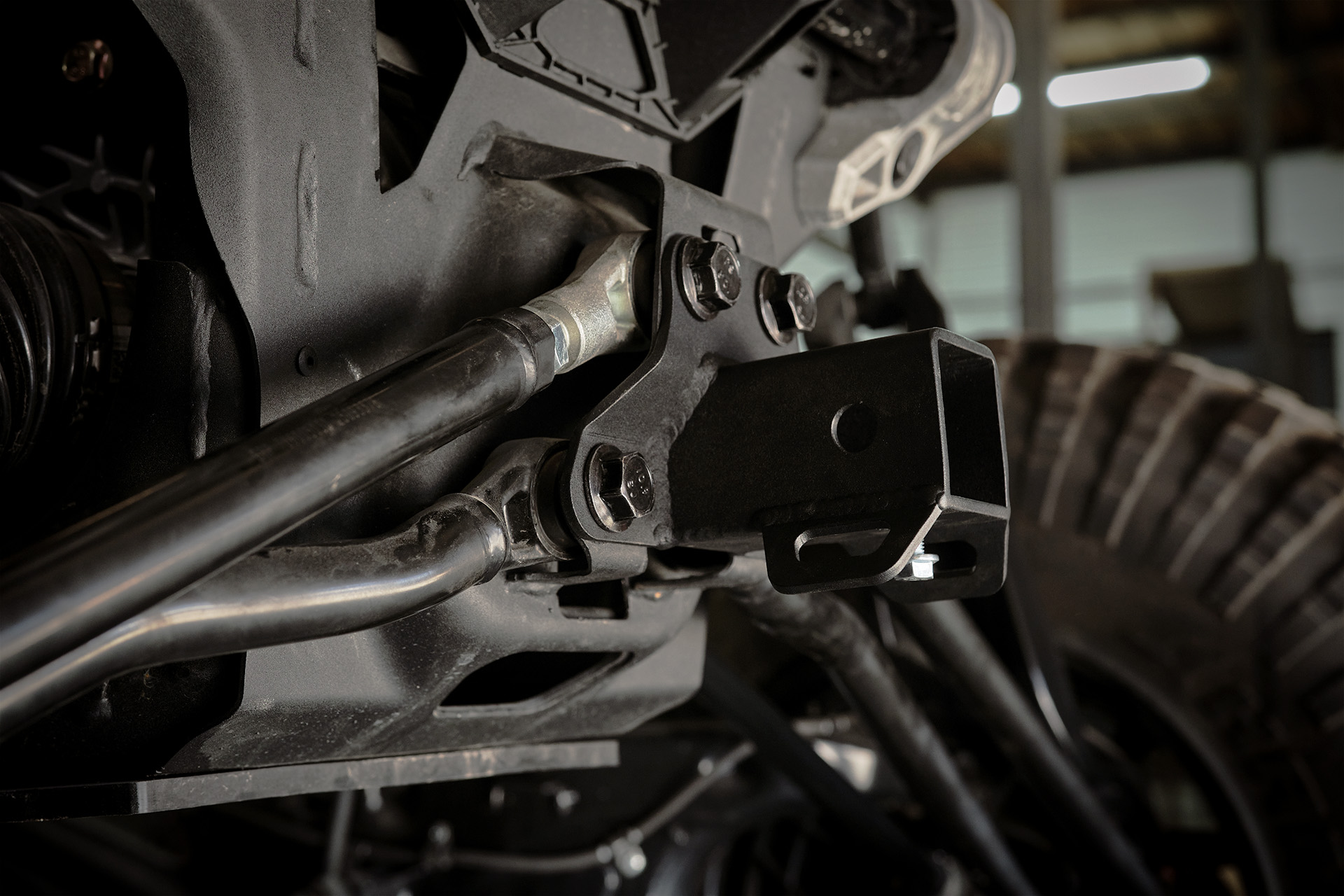
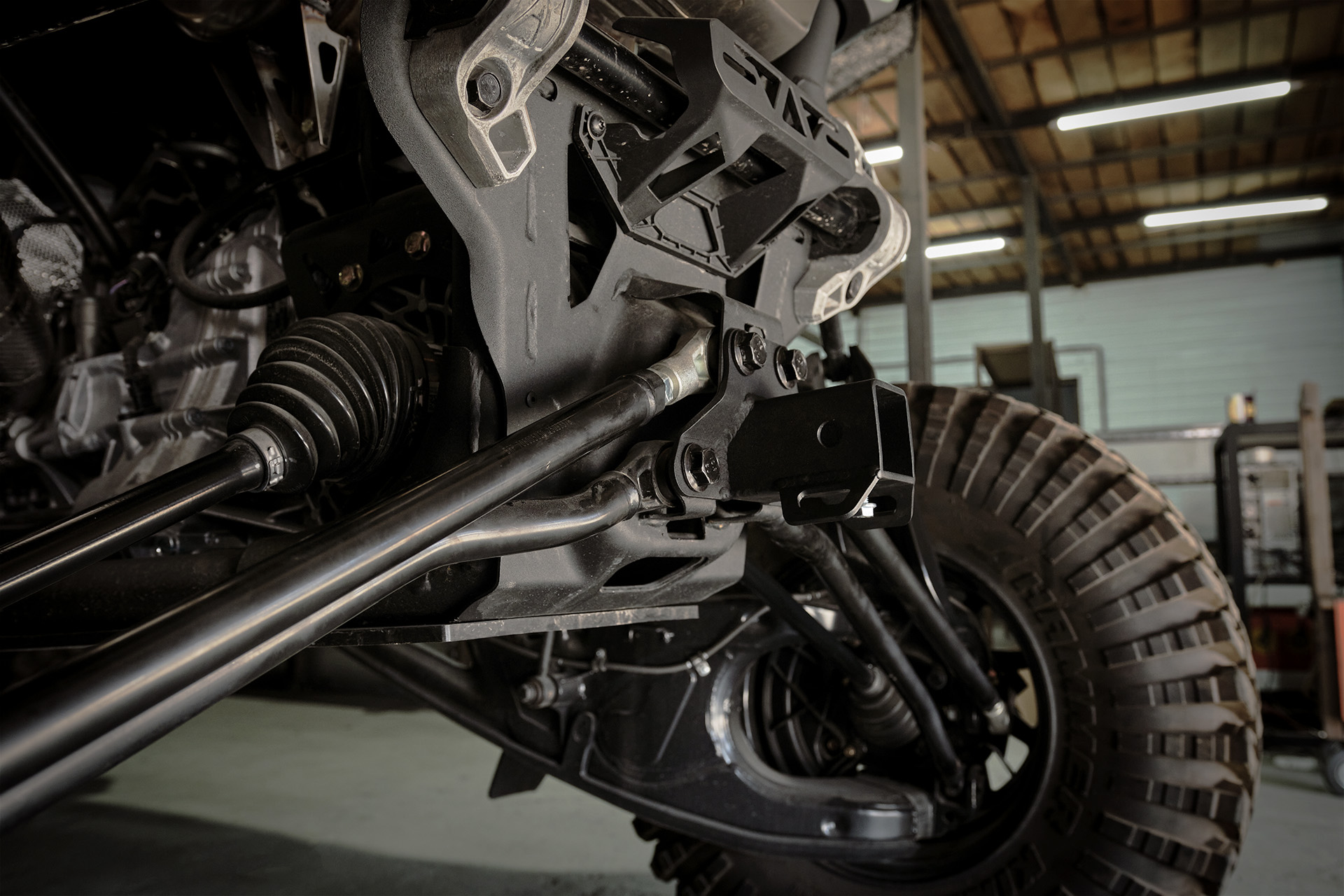

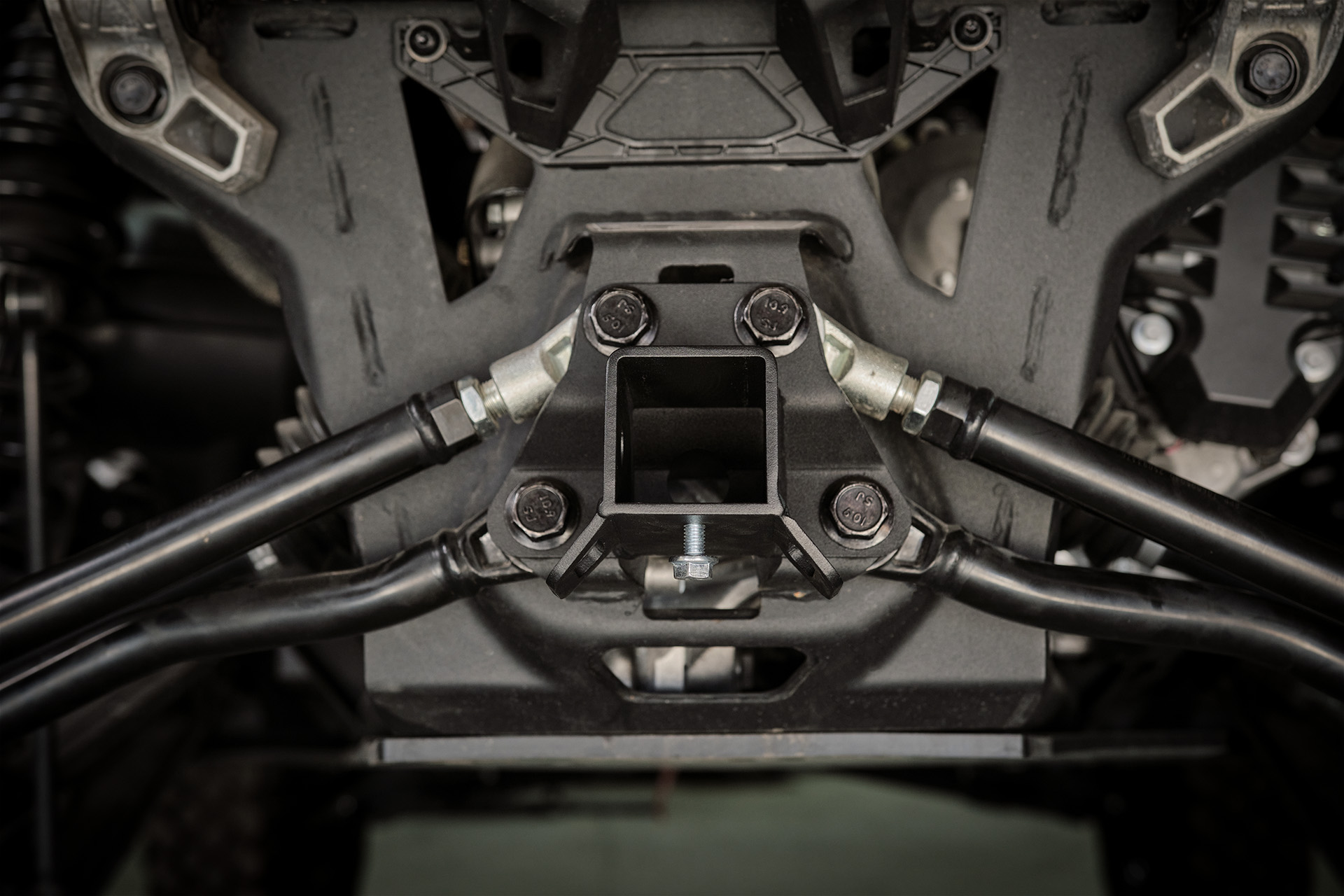
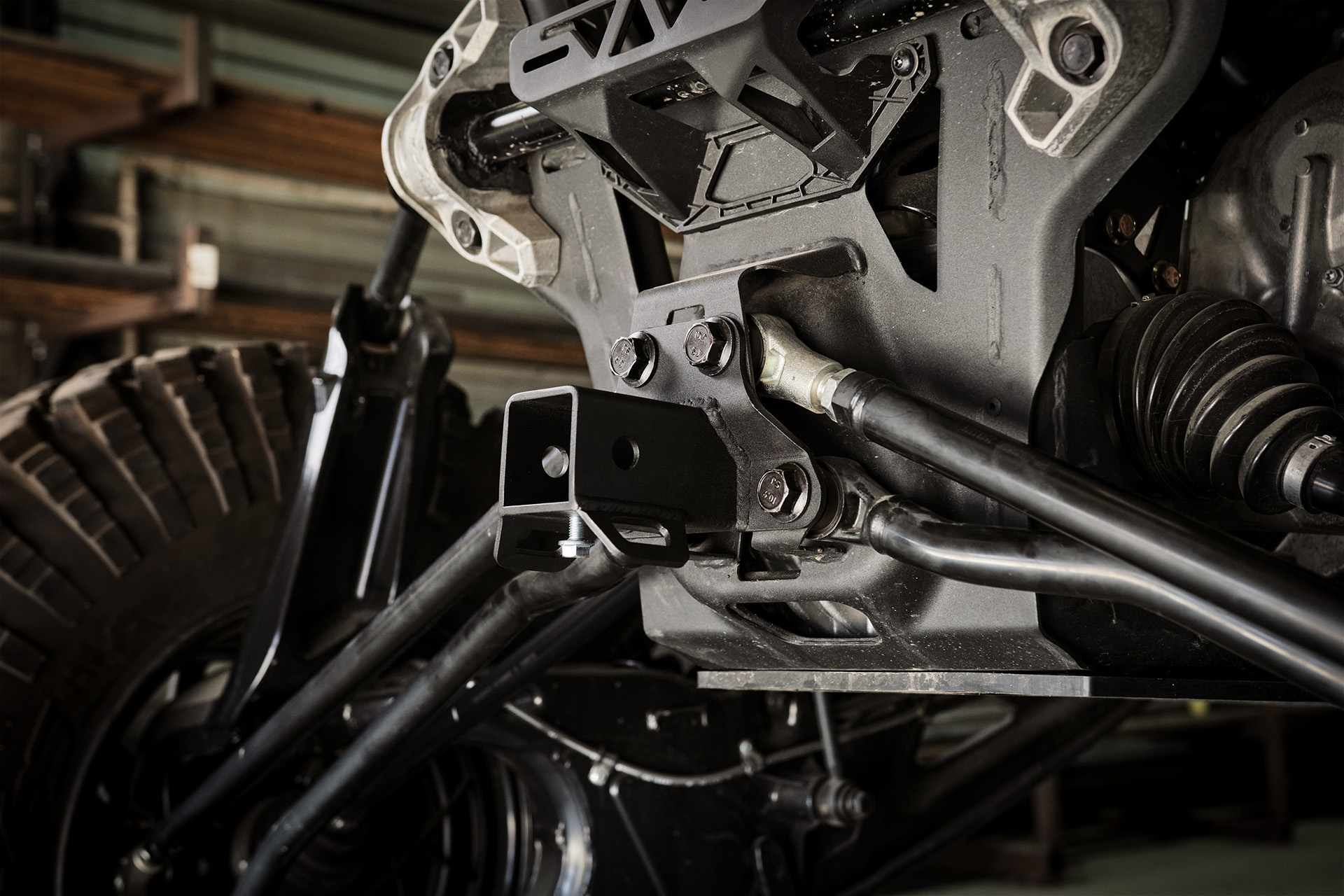
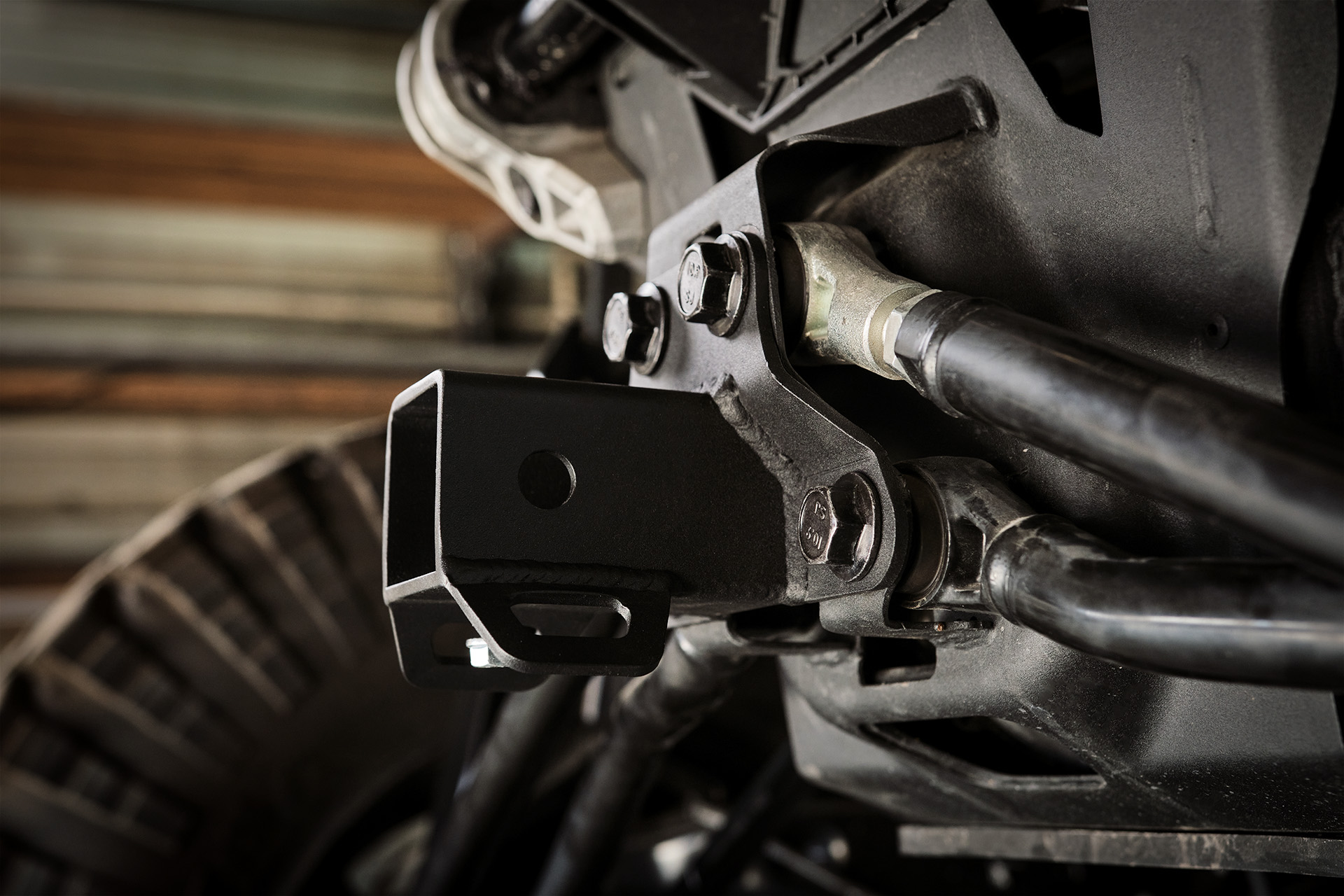
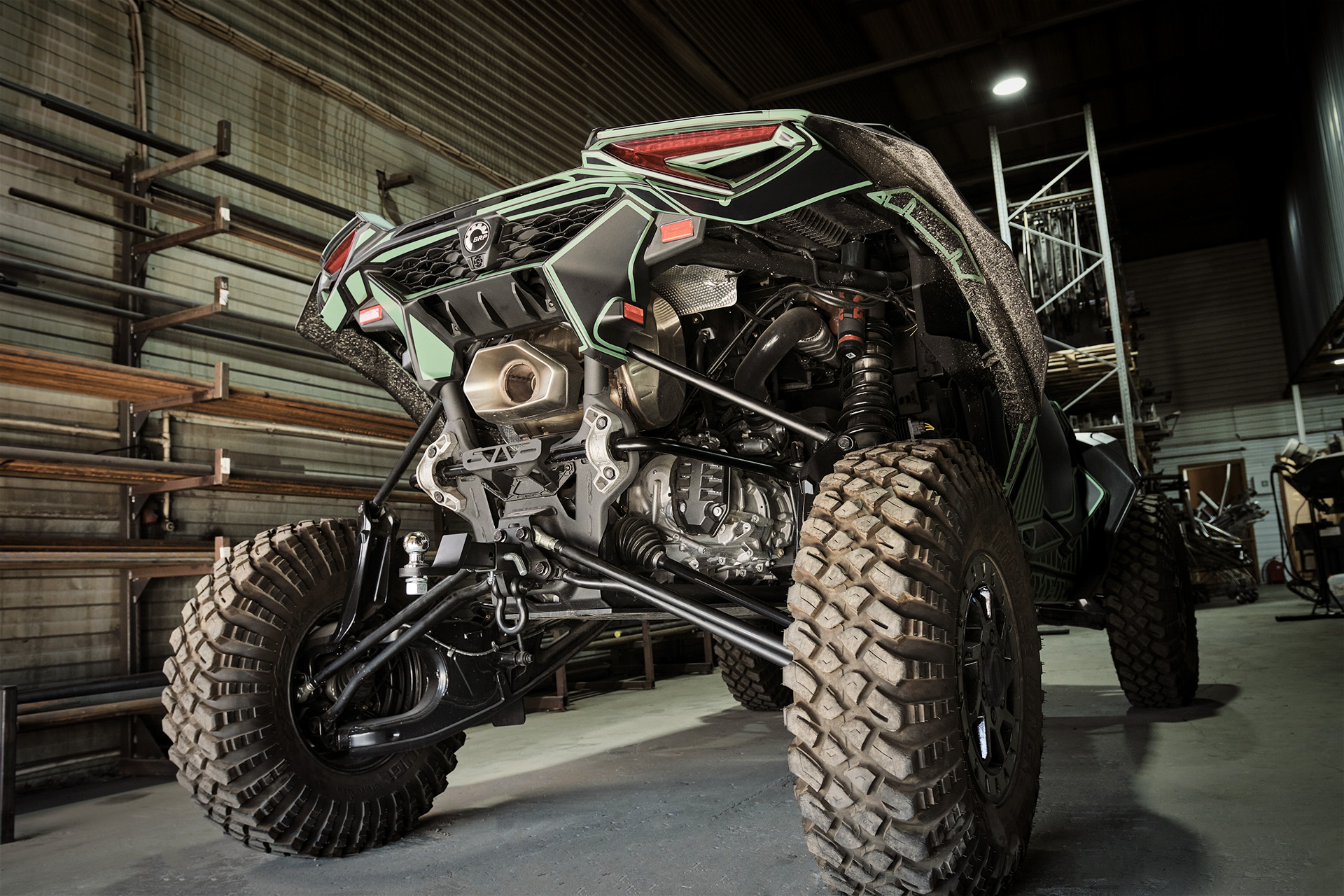

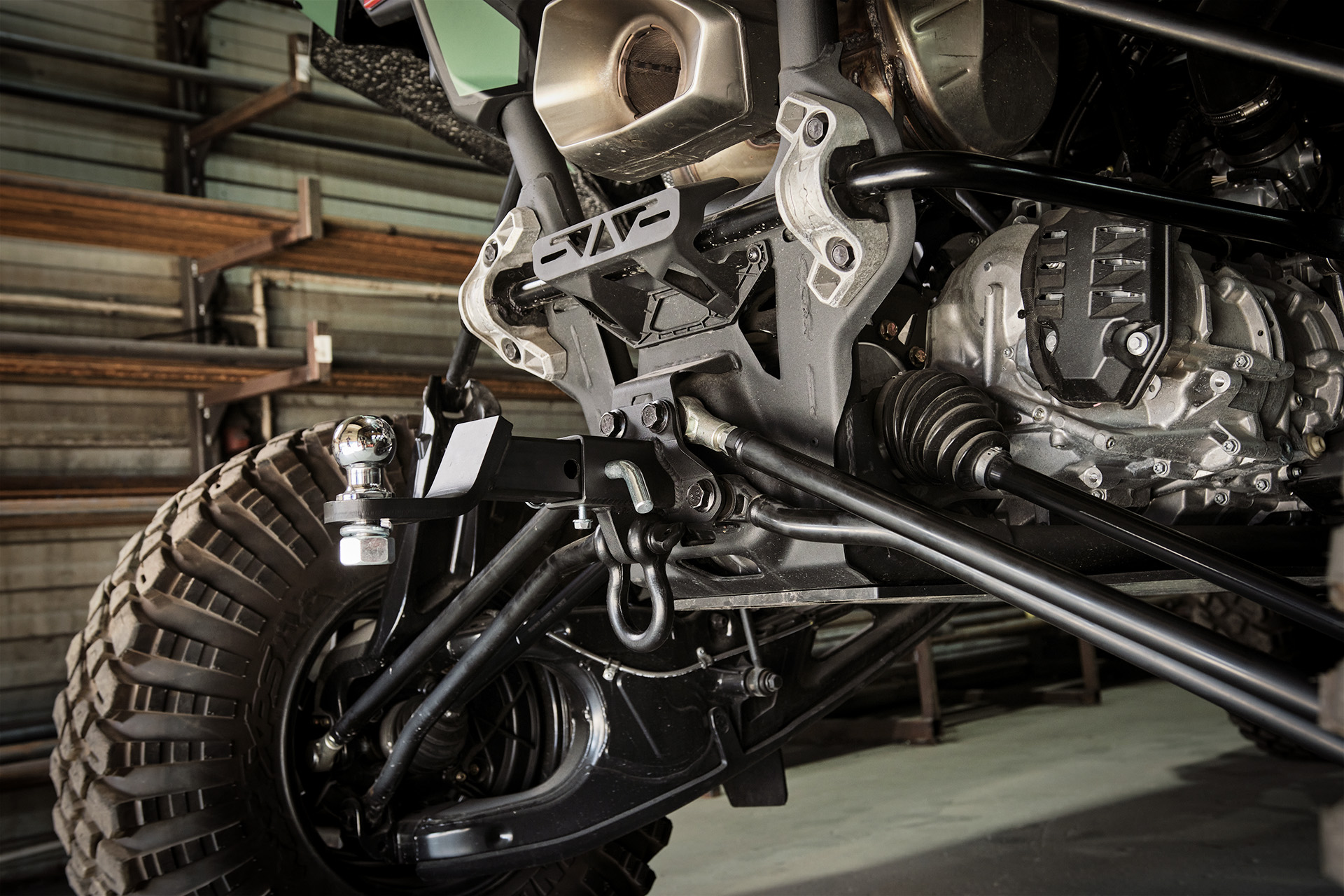
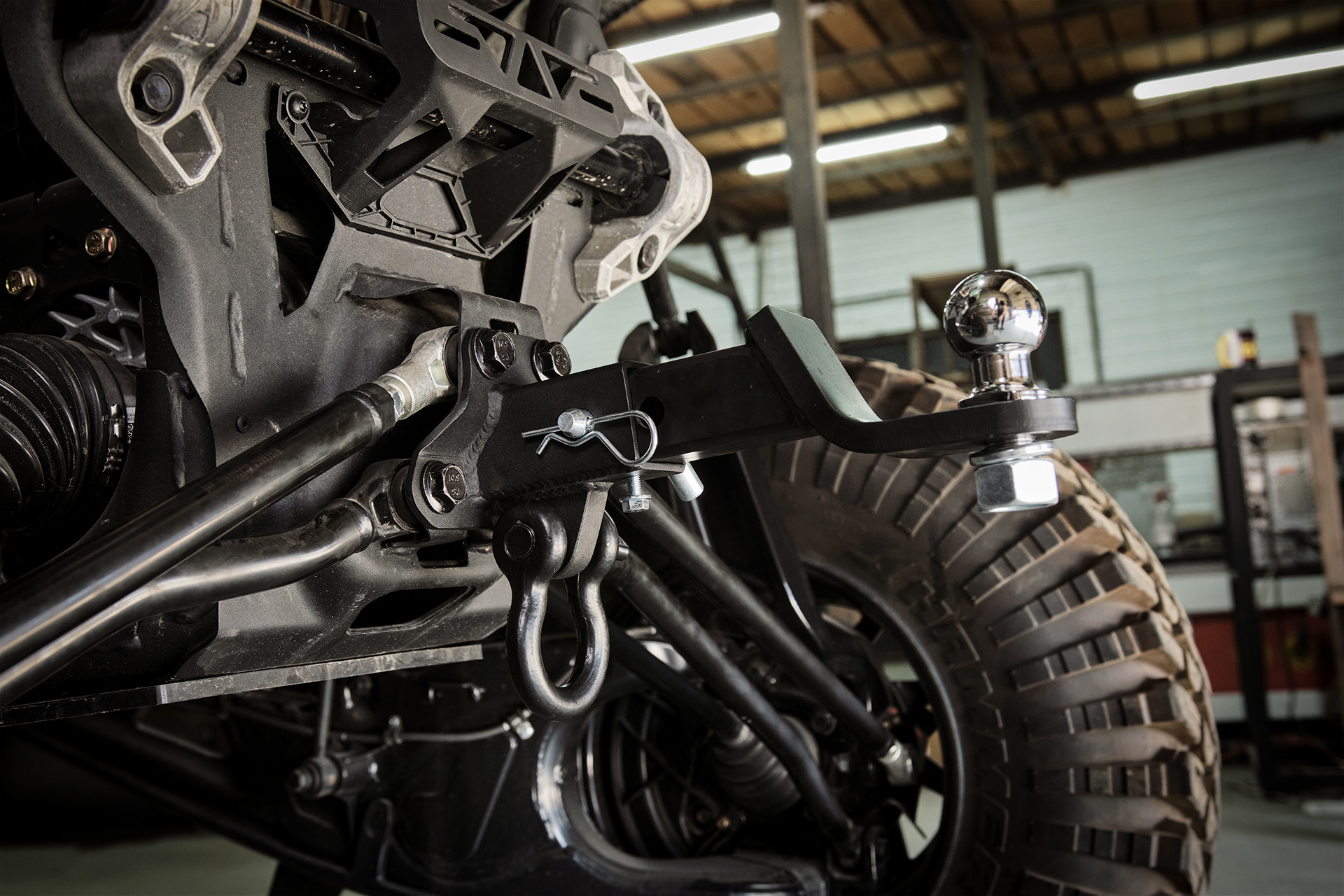
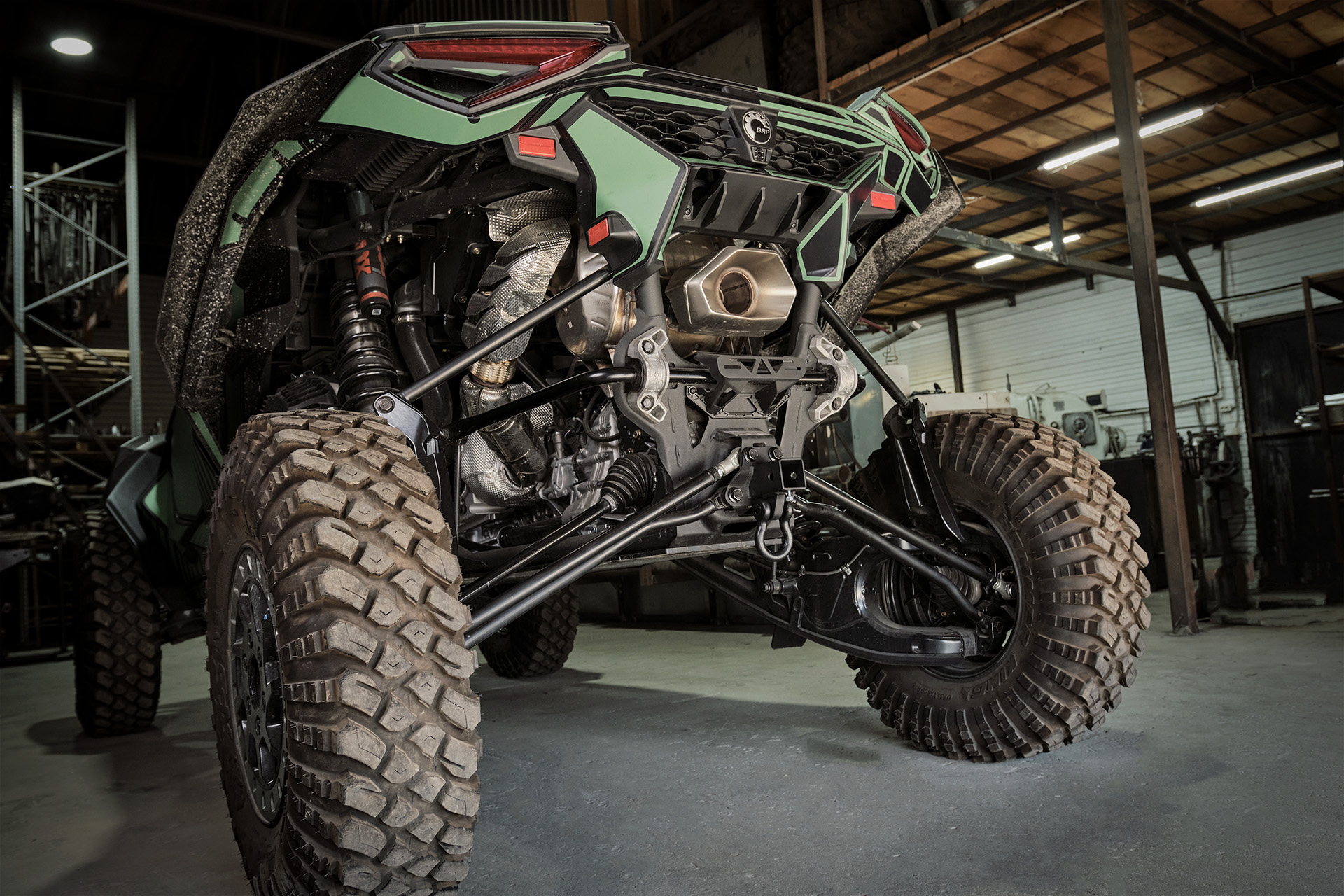
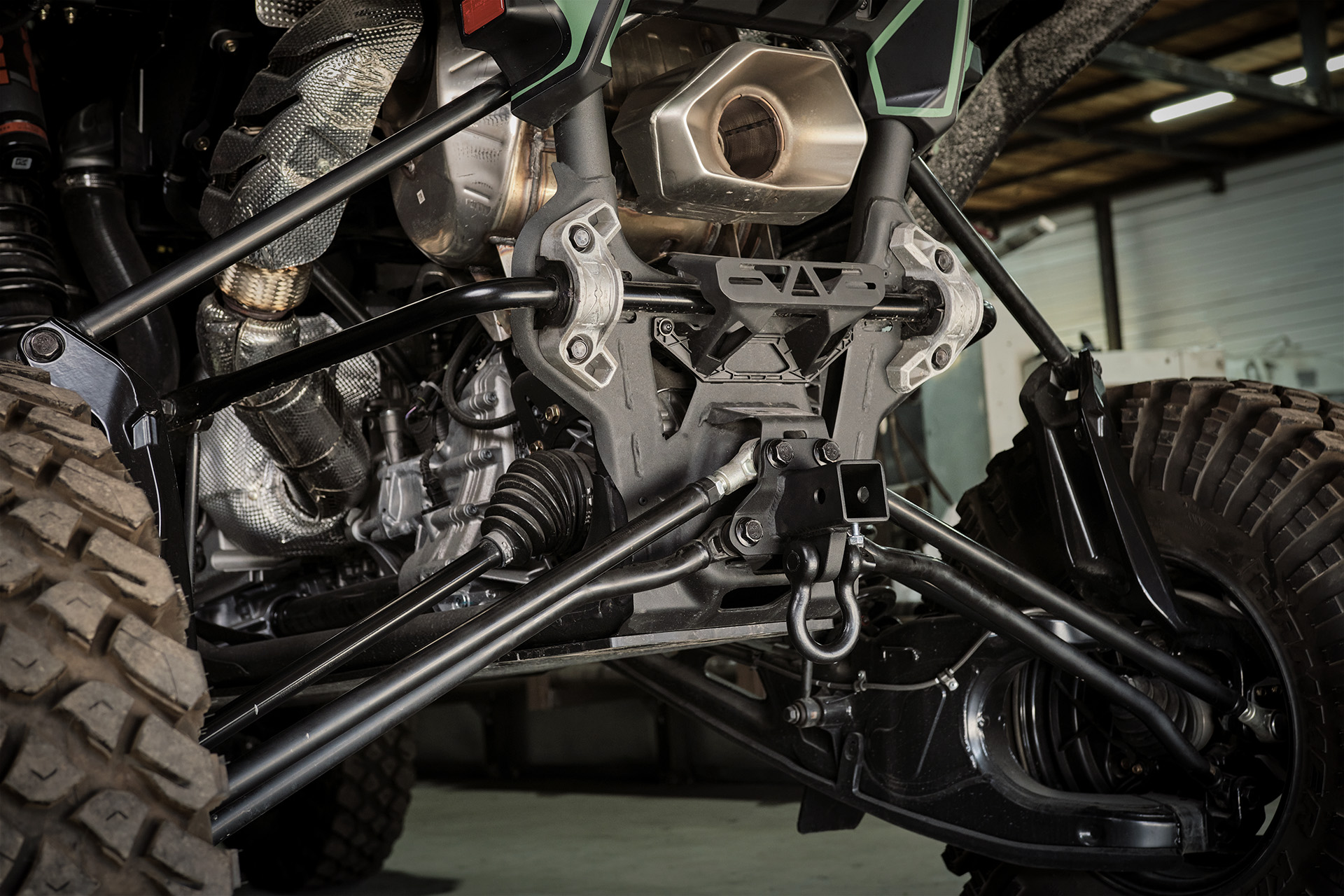
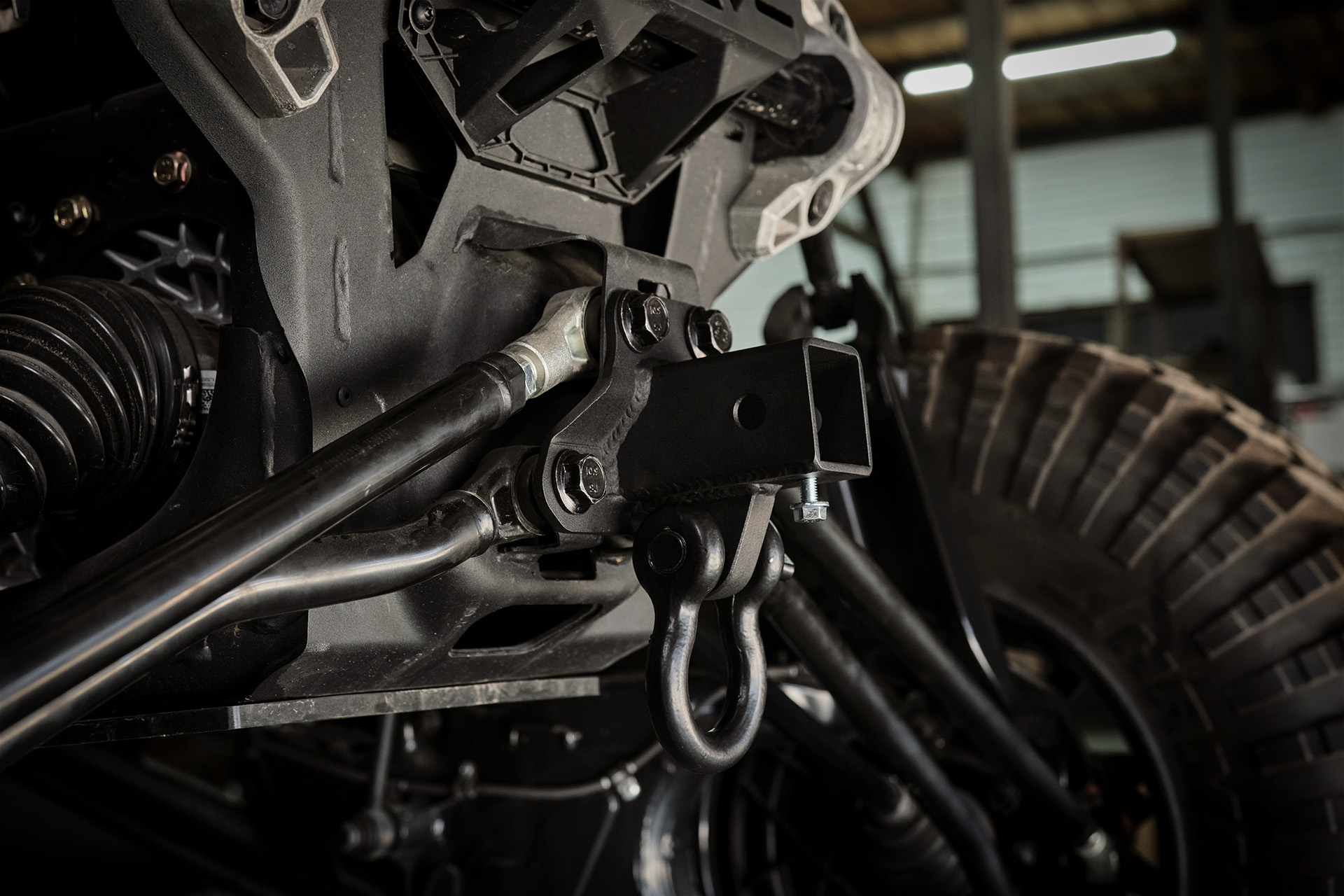
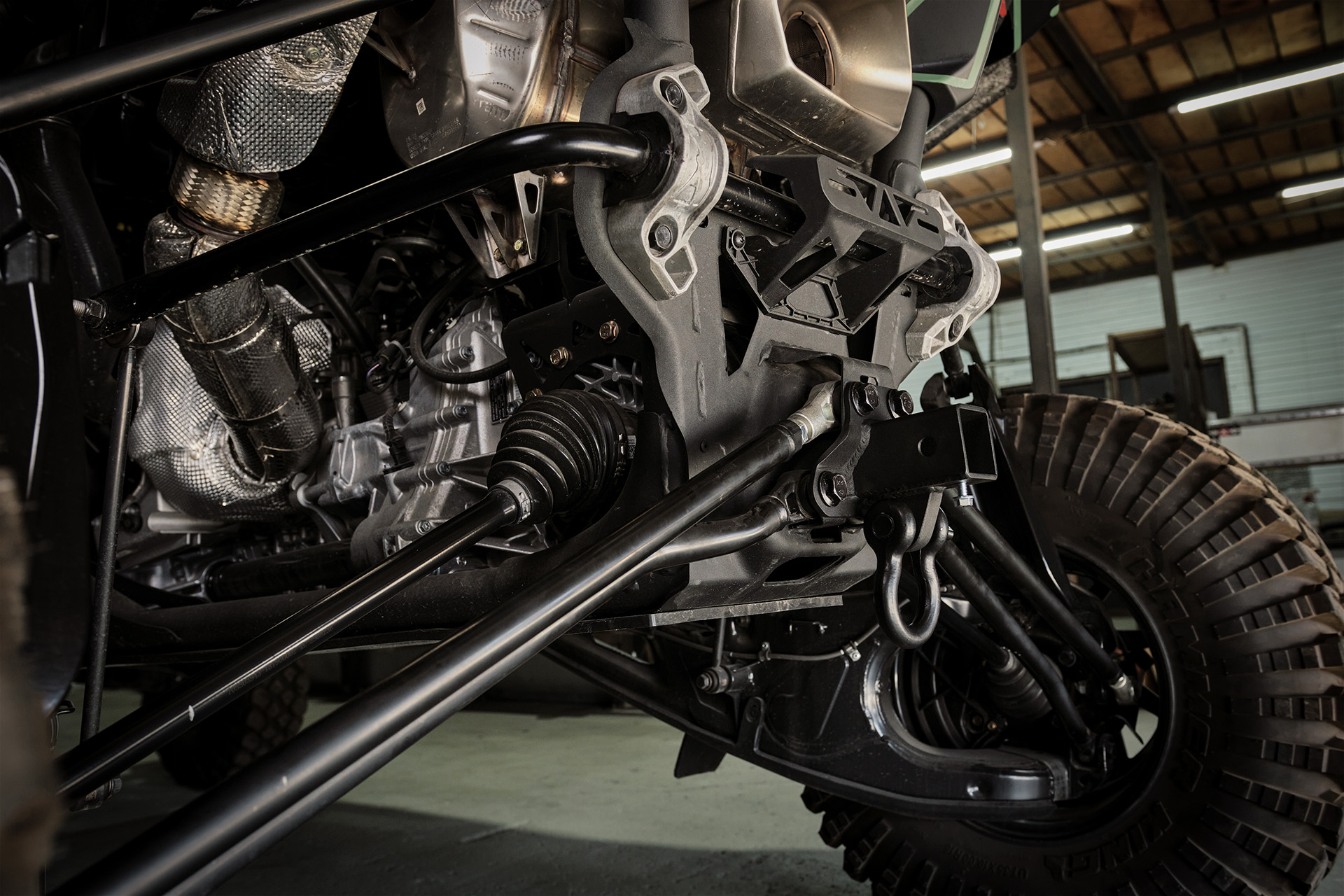
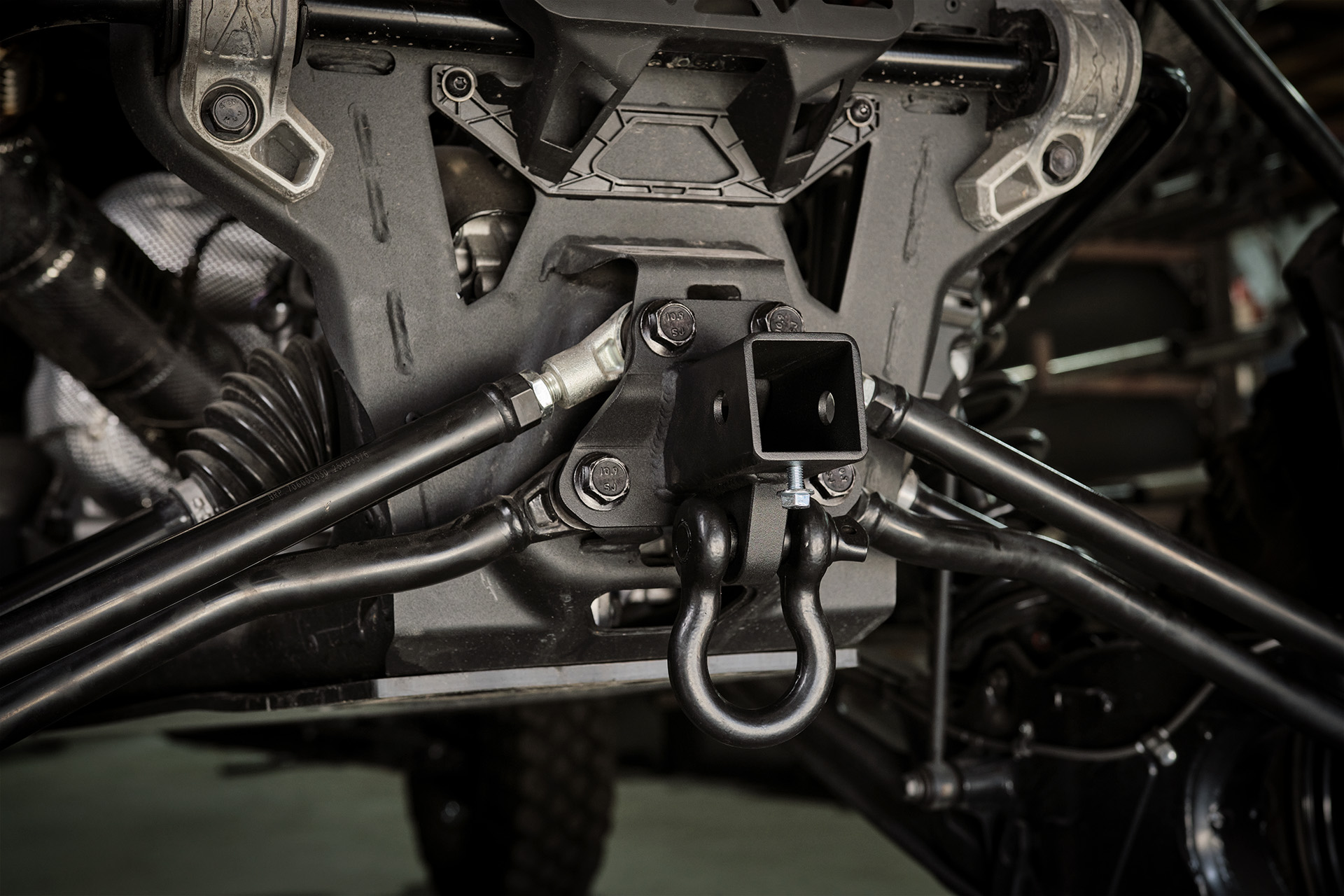
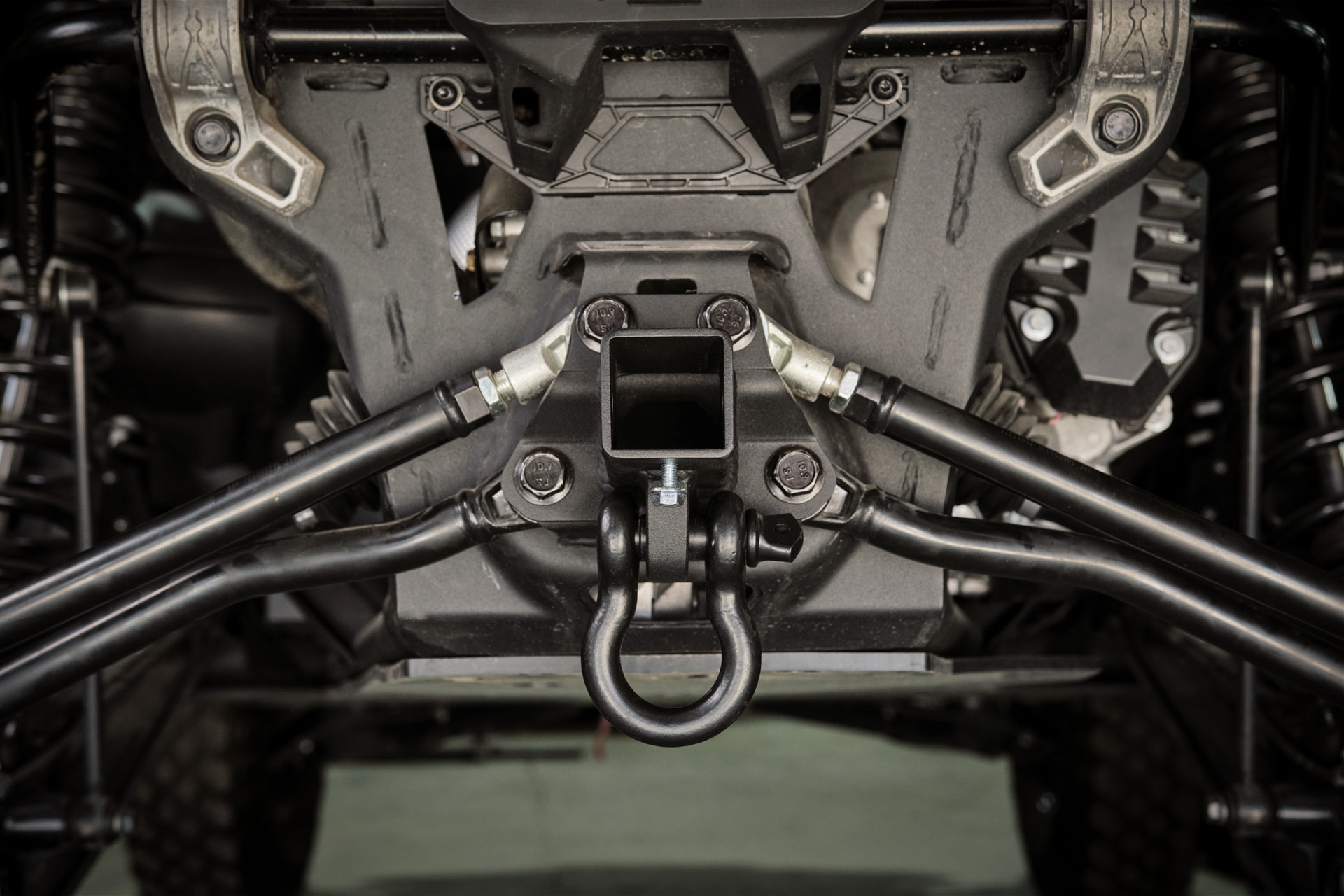
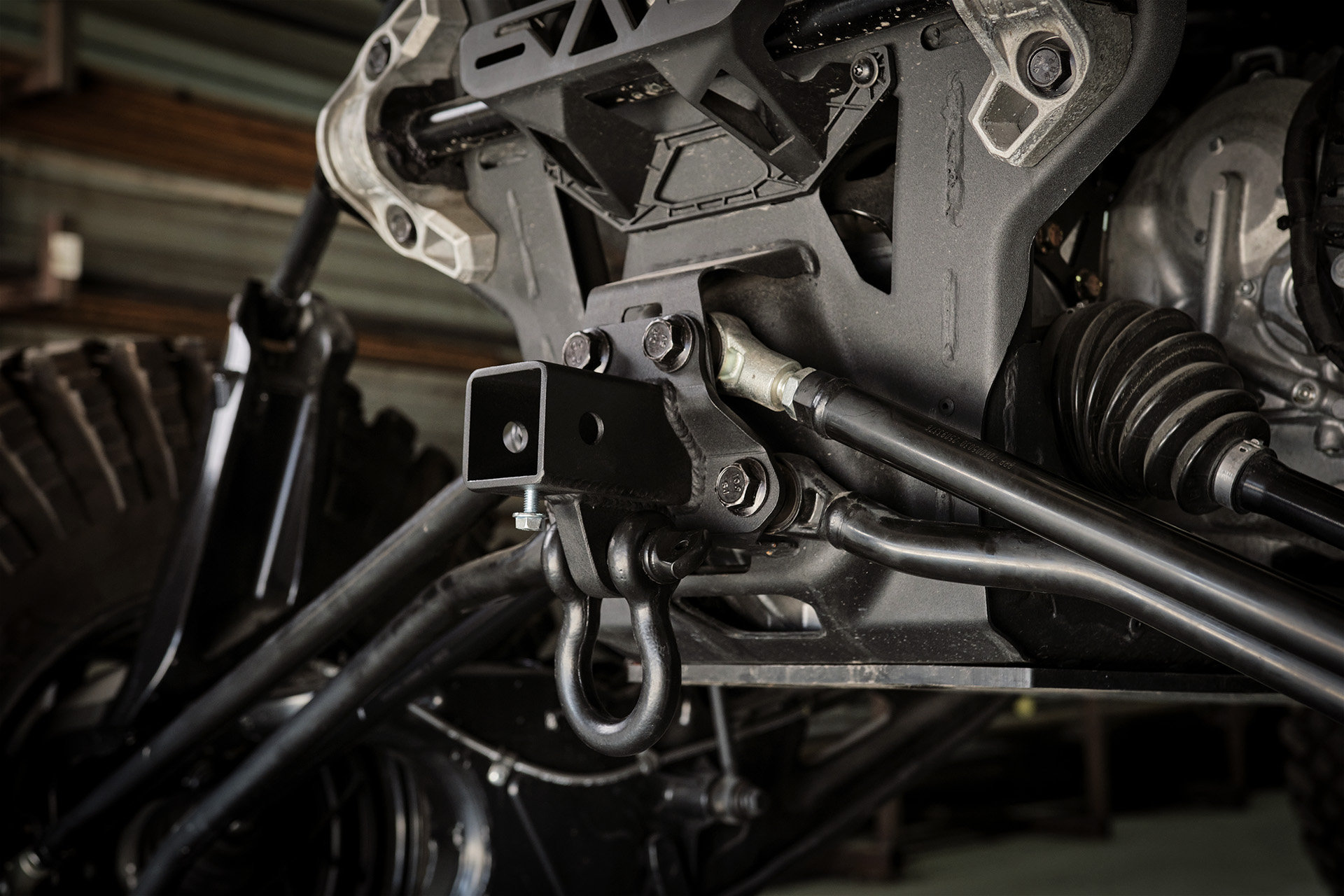
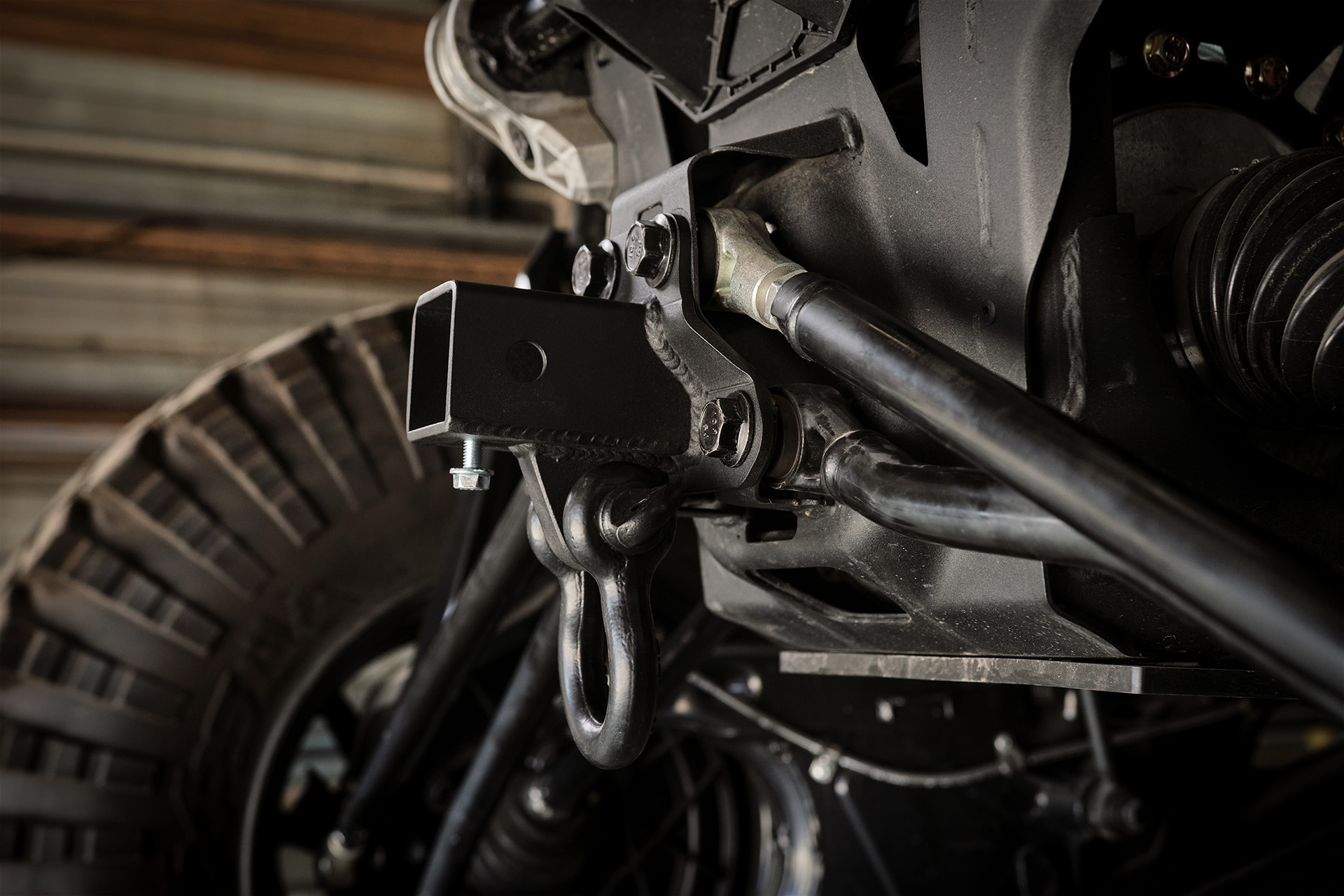
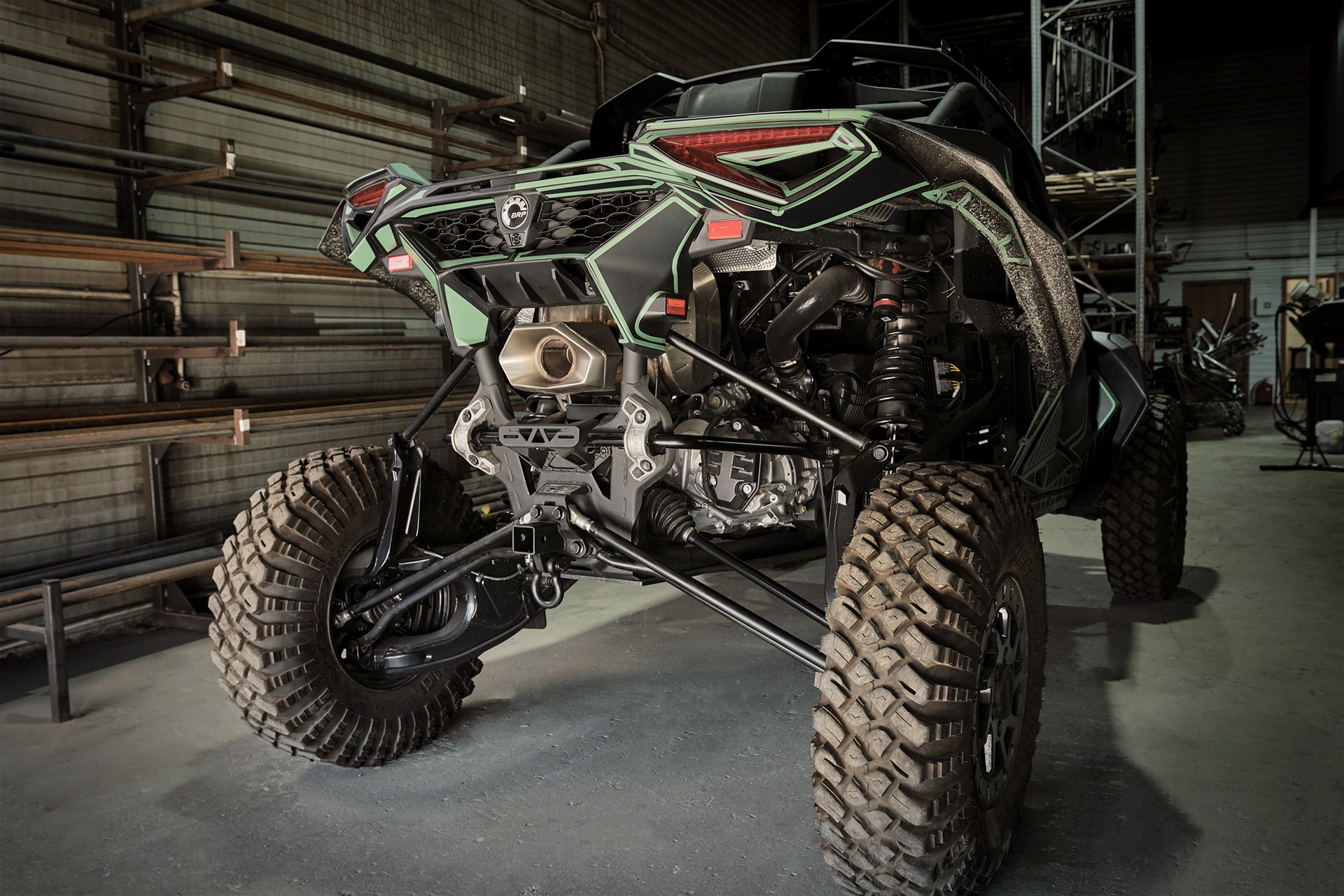
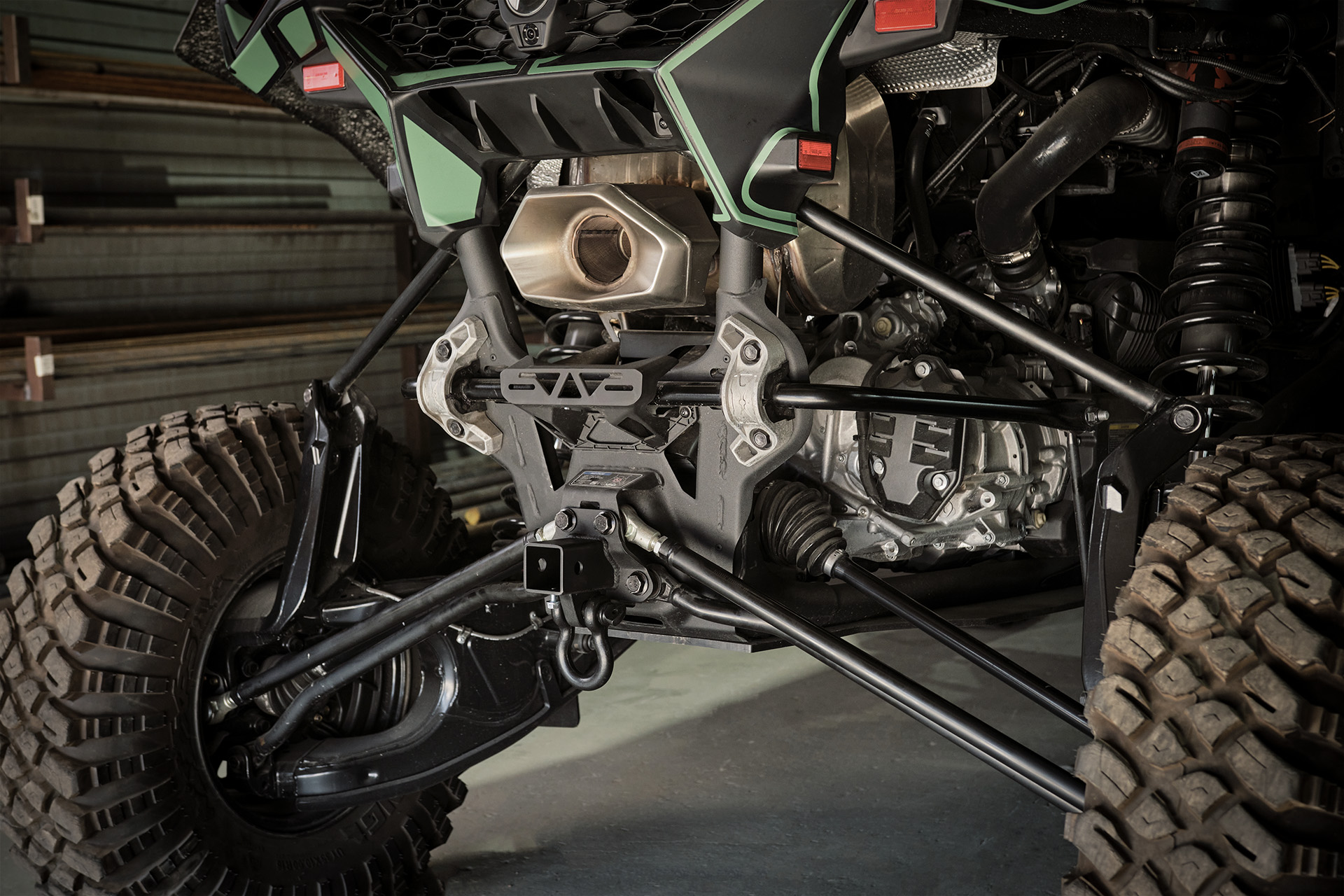
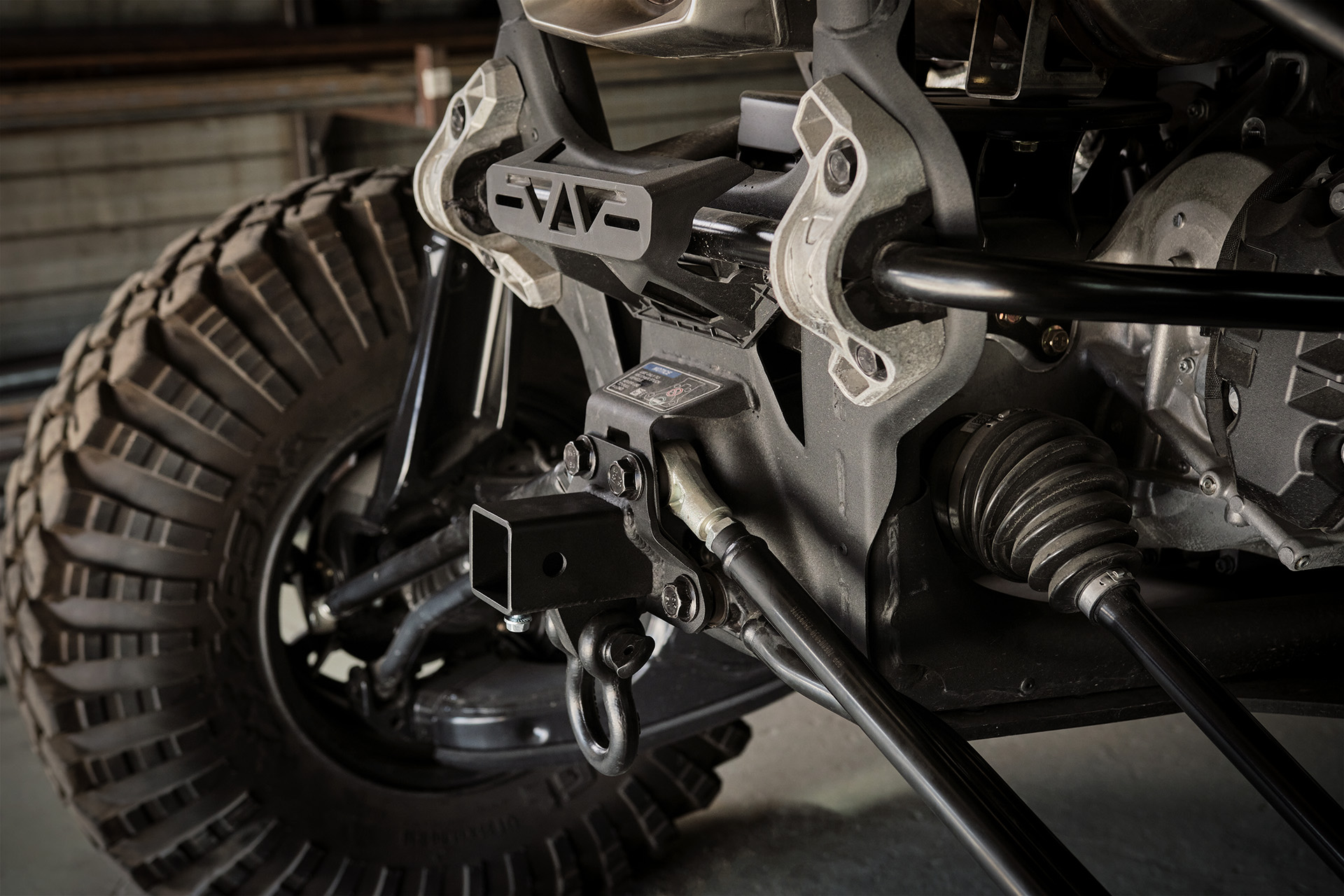
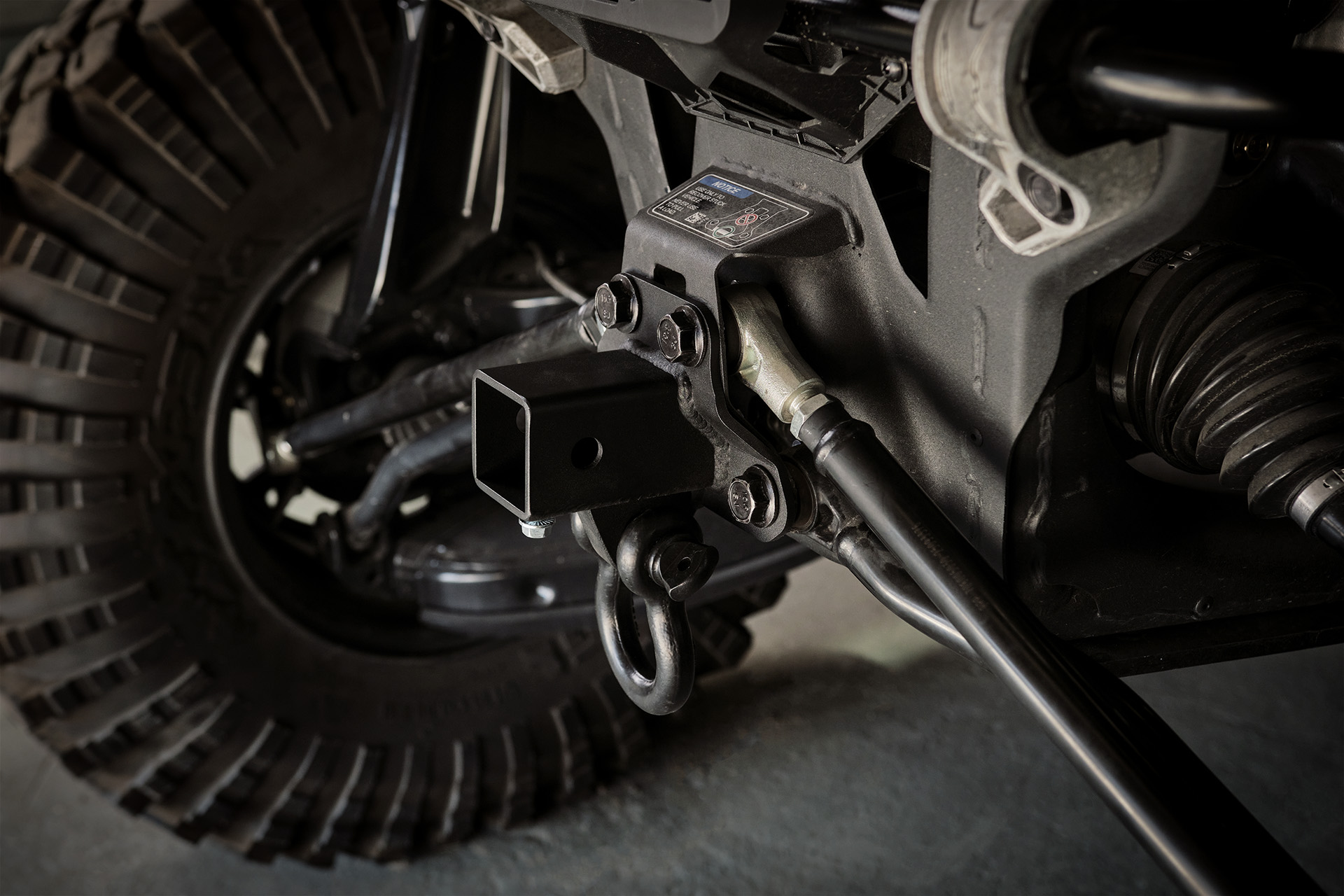
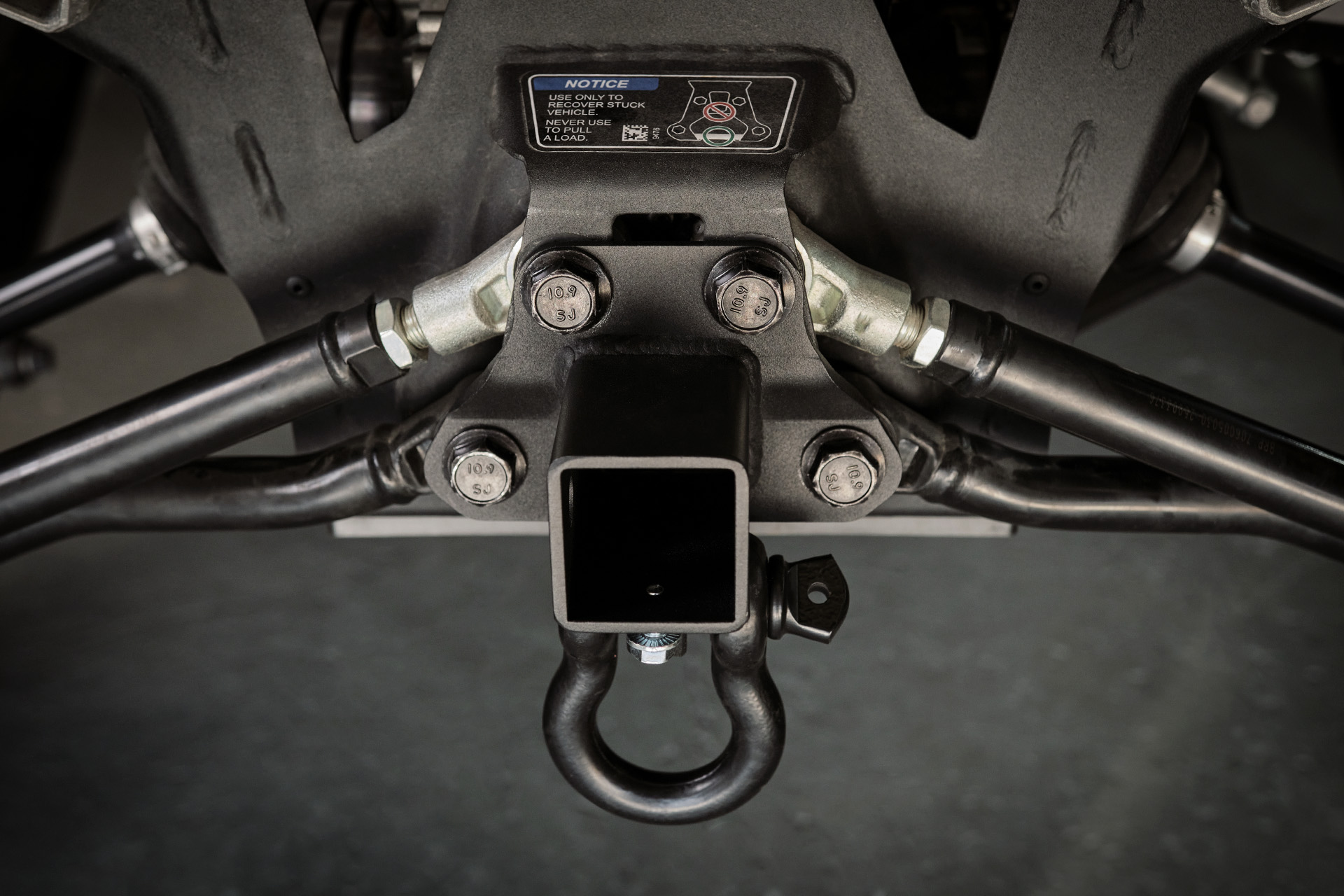
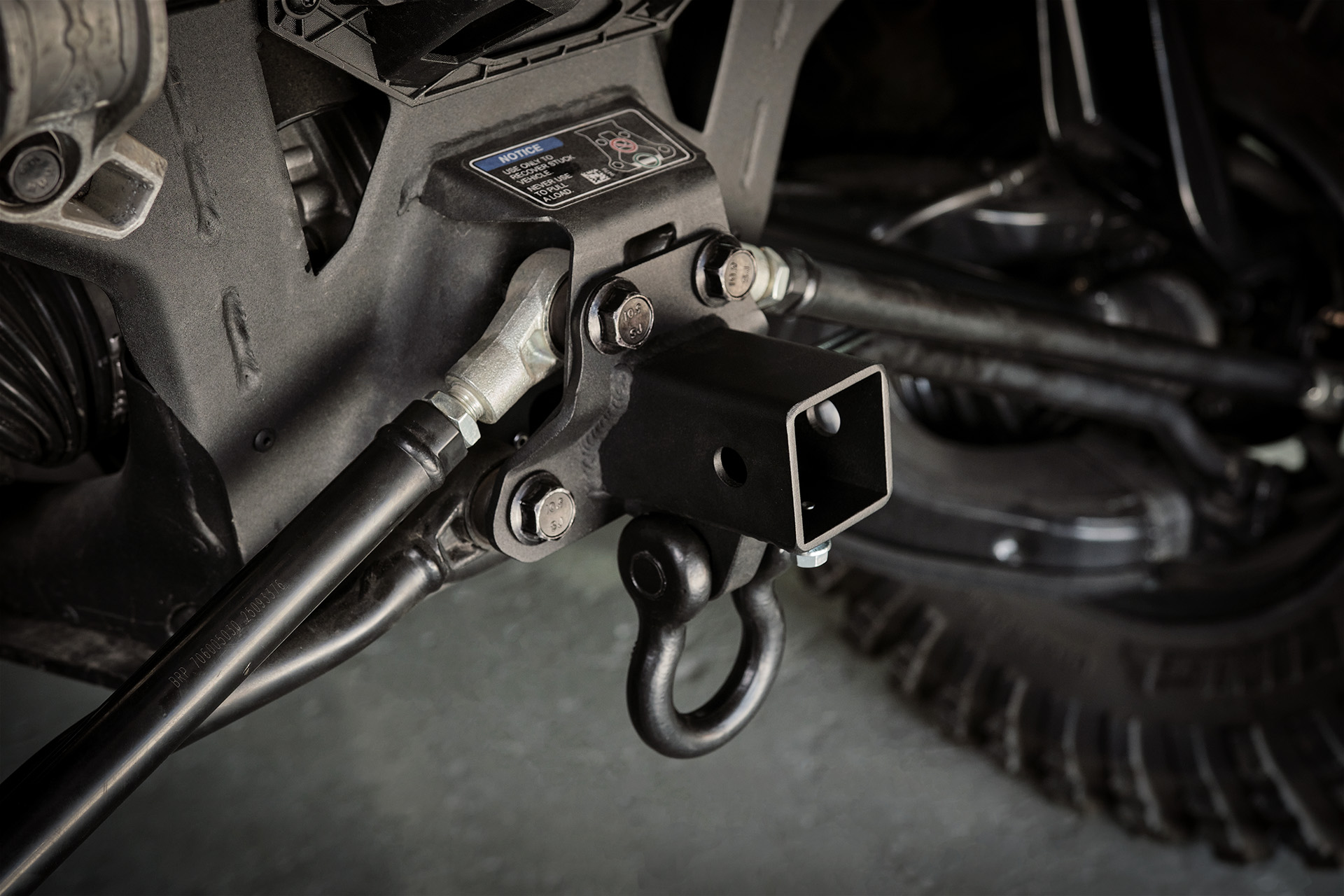
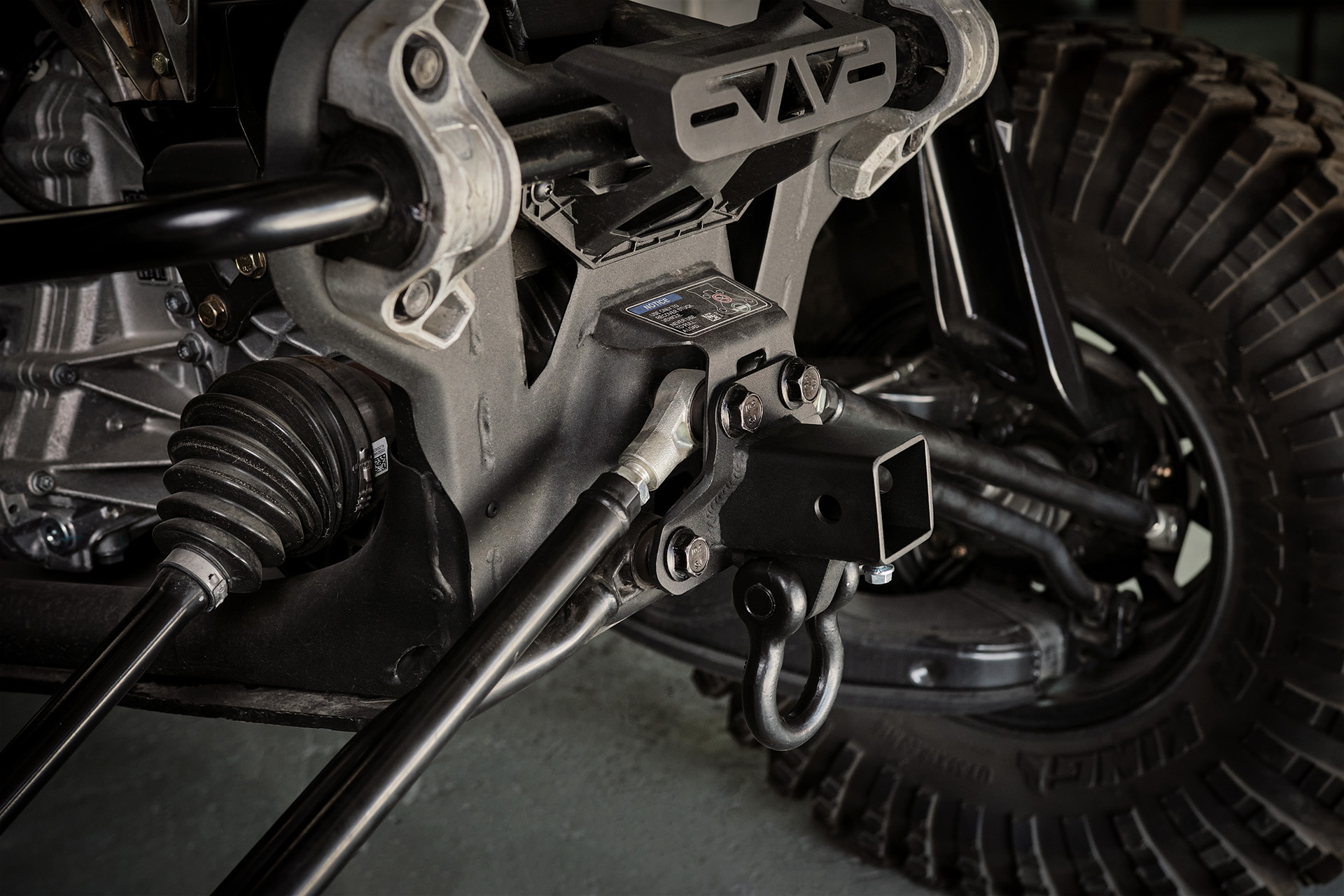
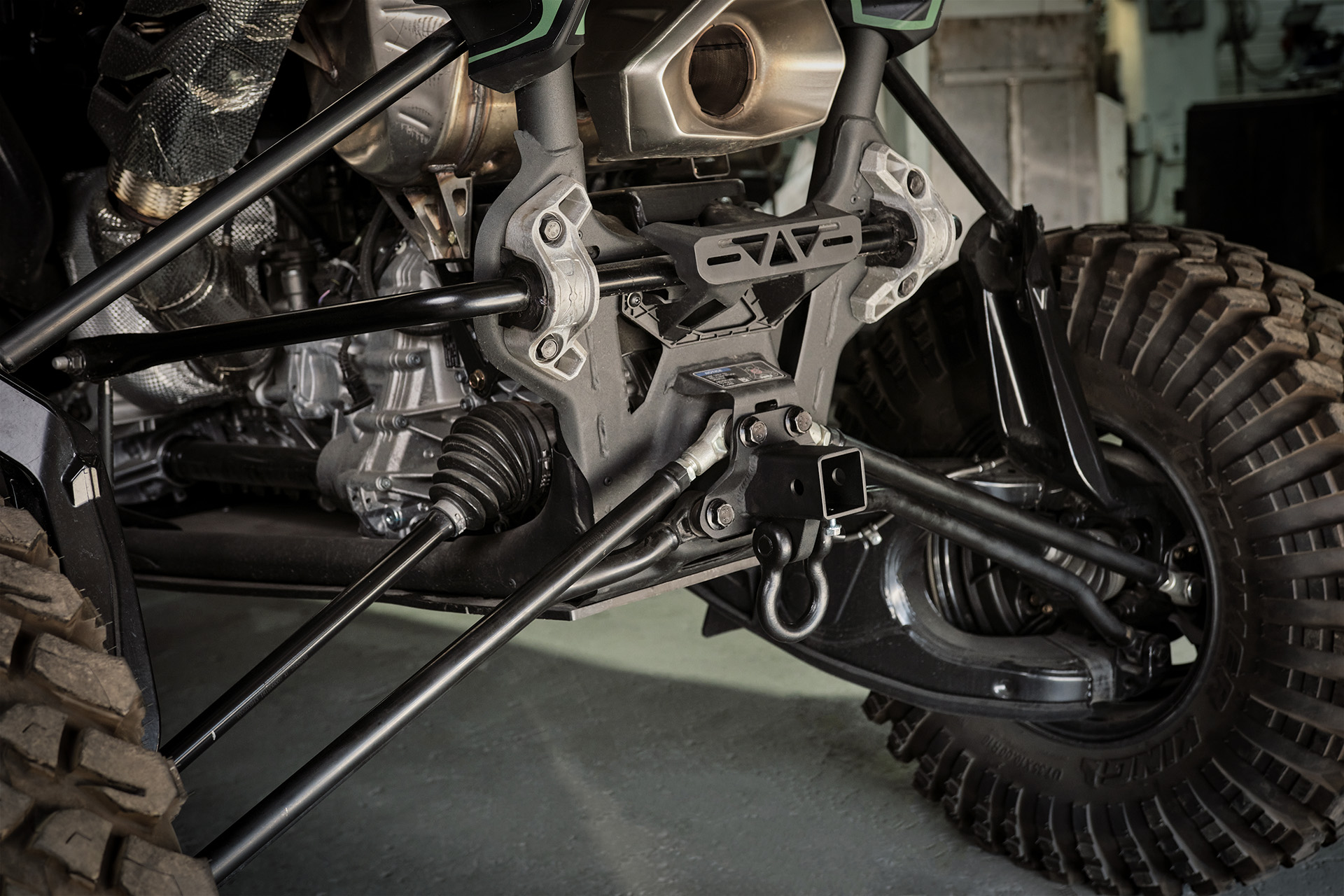

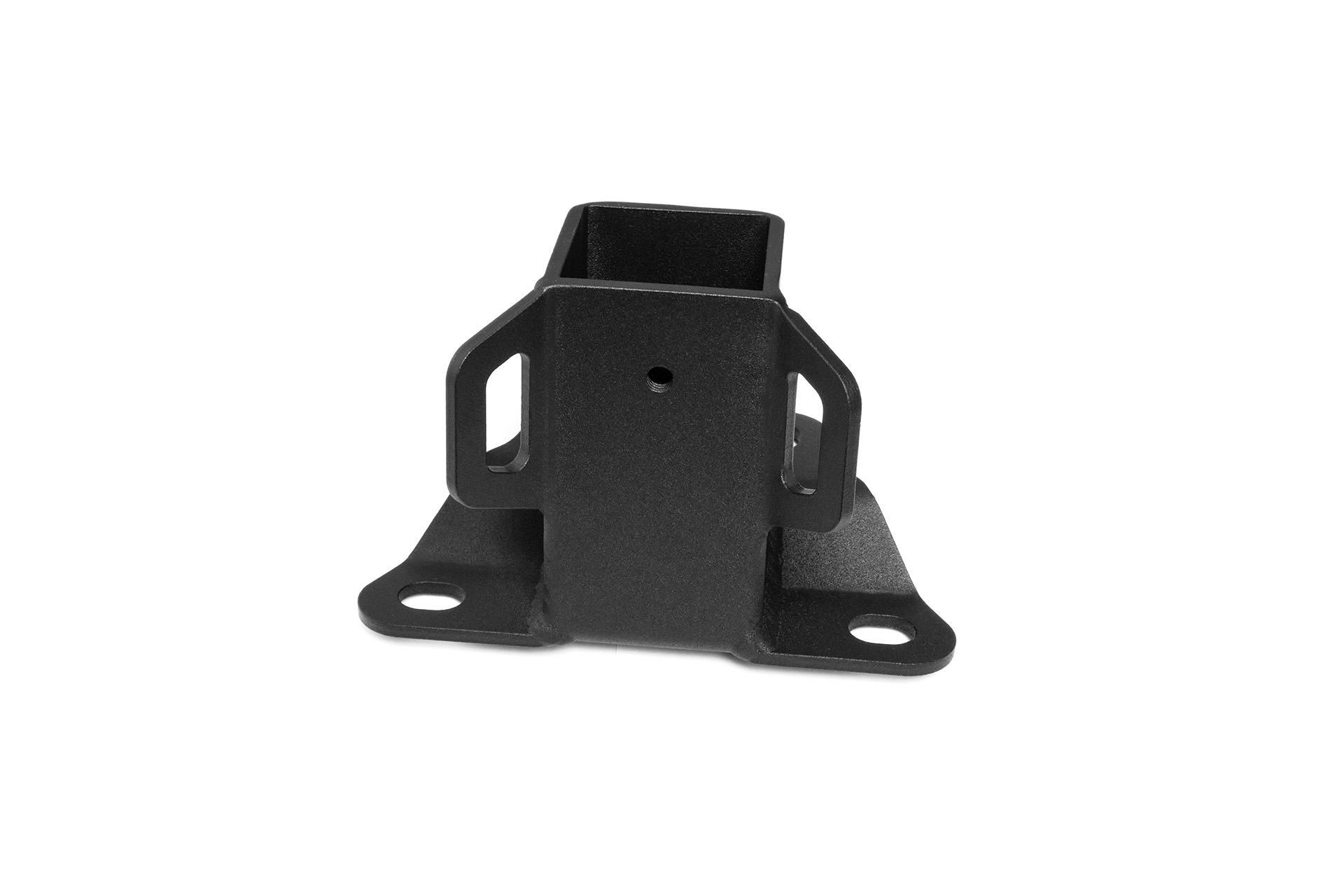

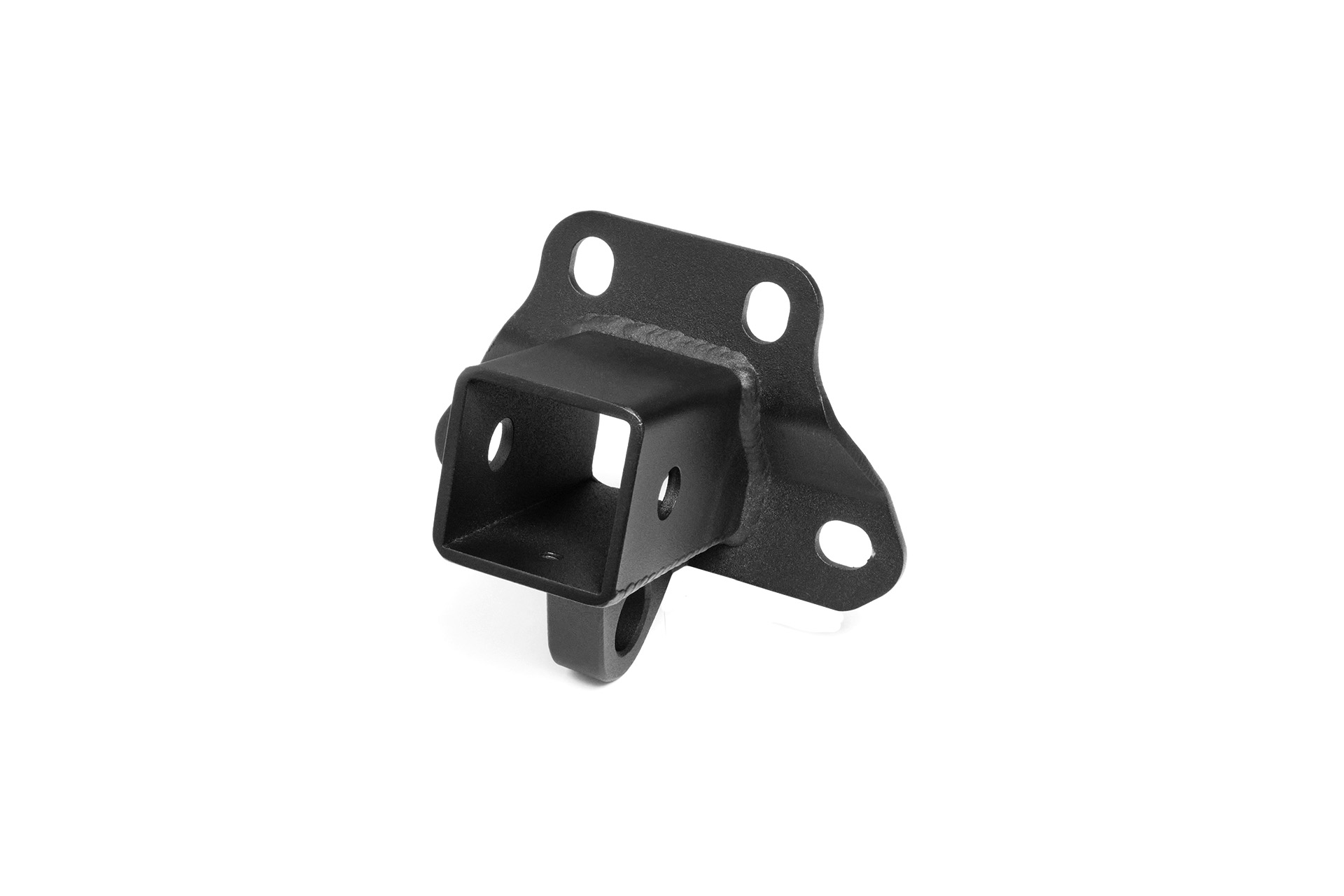

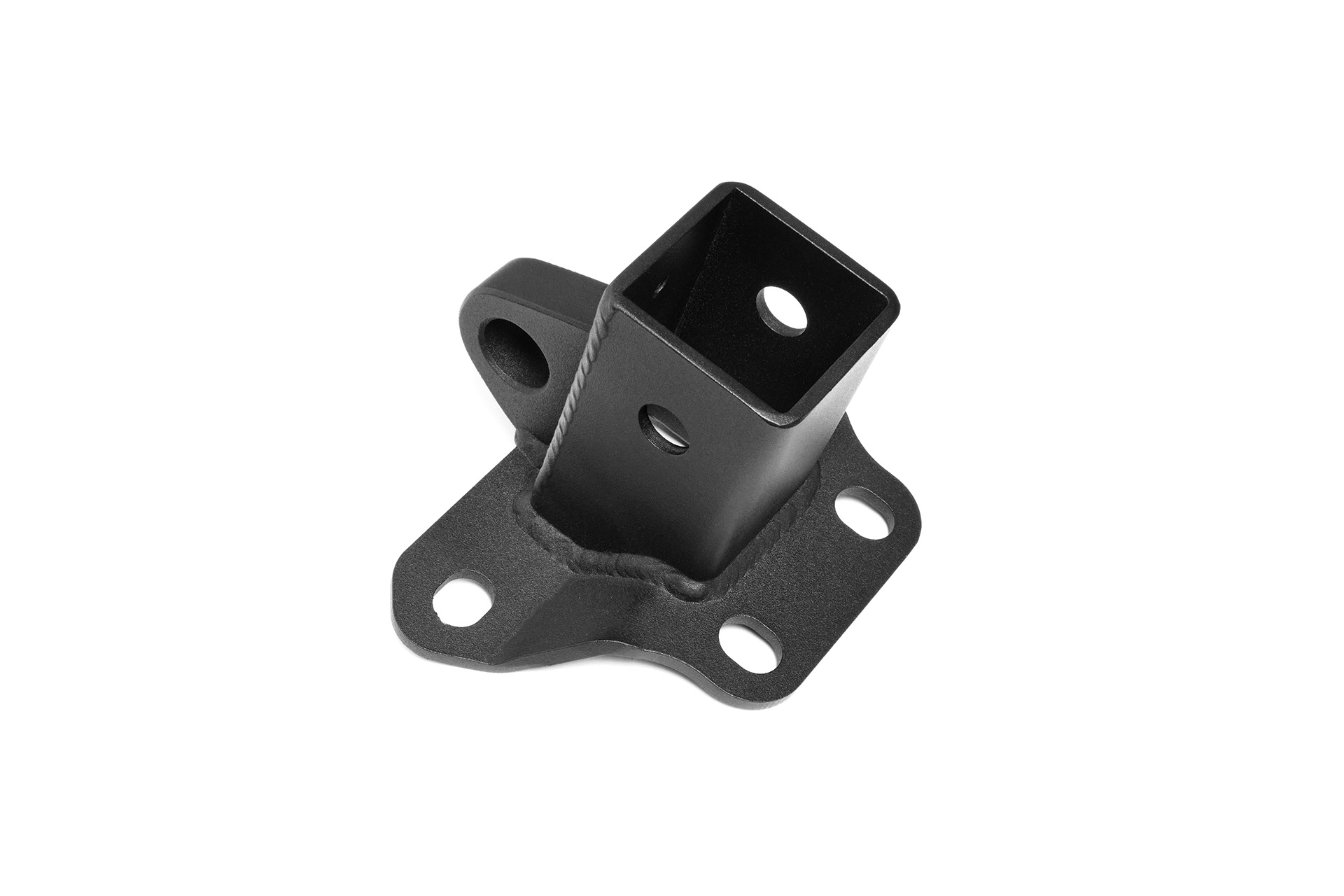
Add useful towing capability to your BRP Maverick R without sacrificing departure angle or off-road performance.
The BRP Maverick R is built around speed, control, and serious off-road capability. But there are times when even a performance side-by-side needs a little more practicality – whether that means towing a trailer or having a convenient towing point available. A compact BMS Engineering towbar adds that function without changing the character of the machine or compromising its rear clearance.
The BMS trailer hitch is built around a 50 × 50 mm square receiver hitch. Instead of relying on one permanently installed towing hook, you can choose the insert that matches the job. Fit a ball mount when you need to tow a trailer, switch to another compatible receiver-mounted accessory when required, and remove the insert again when you want the rear of the vehicle as compact as possible.
The tow hitch mounts directly to the frame using the factory bolts, so no drilling, cutting, or additional fitting is required. The hitch body itself is kept deliberately short. With the insert removed, it stays within the rear wheel profile and does not reduce the Maverick’s departure angle, which matters when driving over steep drops and uneven terrain.
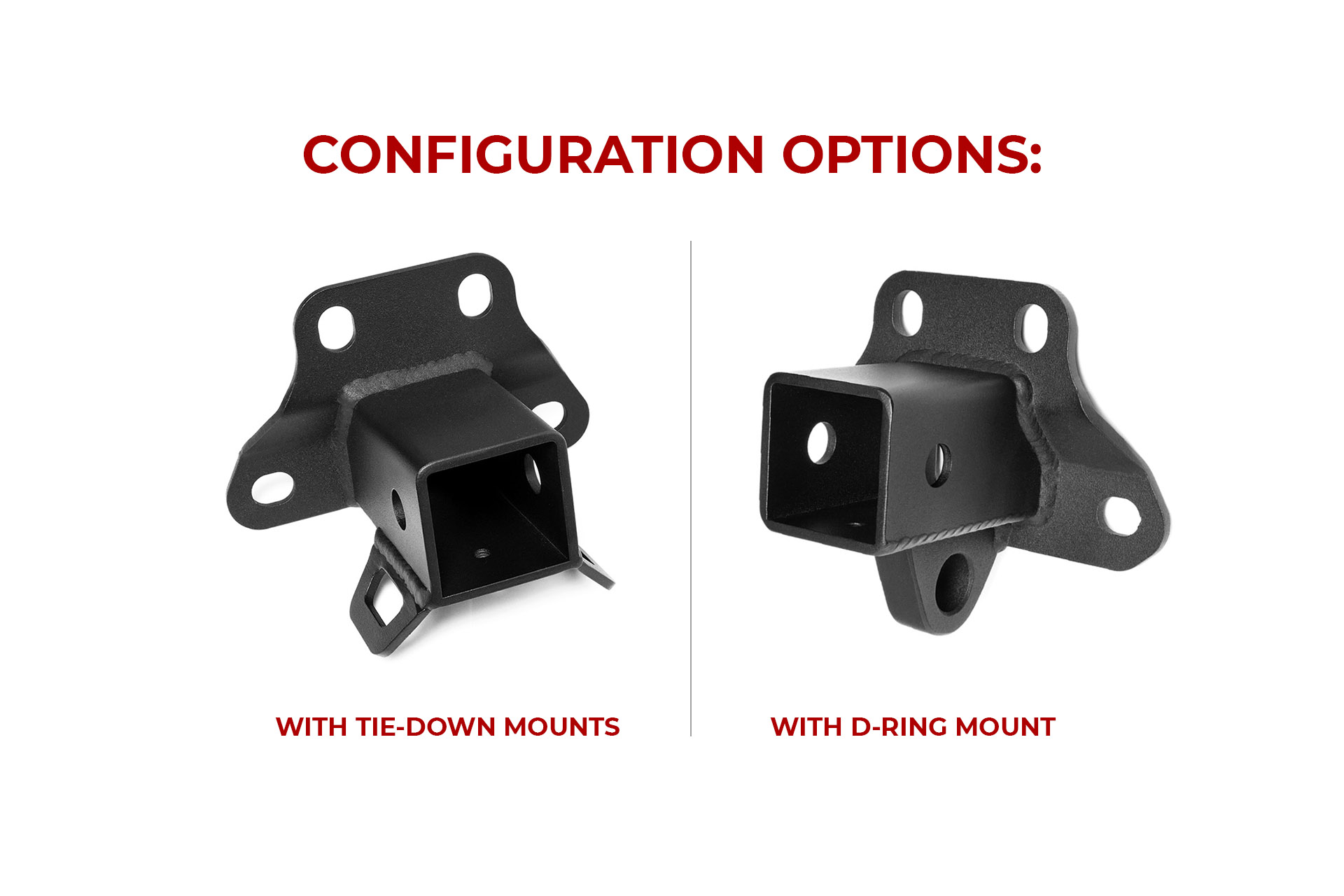
The BMS trailer hitch receiver is available in two versions: one with a towing eye for a compatible shackle, and another with loops for trailer safety chains. This lets you choose the setup that better matches how you plan to use the vehicle.
For owners who want a practical tow bar without turning the Can-Am Maverick R into a utility machine, this is a simple way to add more flexibility while preserving the buggy’s performance-focused design.
PRODUCT DETAILS:
Laser cut for accuracy and precision
Manufacturer Part Number: BMS160033
Application: BRP Can-Am Maverick R
Installation method: fully bolt on
Mounting kit: uses OEM bolts
Features of the complete set: The set includes a tow hitch receiver and flanged clamping bolt
Package size: 20x12x13 cm (7.9×4.7×5.1 in)
Package weight: 1.3 kg (2.9 lb)
TECH SPECS:
Color: Black powder coating finish
Hitch material: 4 mm steel A 516-55
FAQ
Are the hitch ball and trailer wiring included?
No. The ball mount, hitch ball, and trailer wiring are sold separately. This lets you choose the right ball height for your trailer and the correct electrical socket for its connector. The wiring method and socket location can be determined during installation to suit your specific setup.
What receiver hitch accessories are commonly used on a BRP Maverick R?
Common options include a ball mount for trailer towing, a shackle recovery mount, a removable winch platform, or a cargo carrier. The square receiver lets you switch between compatible accessories depending on the task.
Which tow hitch version should I choose: one with a shackle recovery eye or one with loops for straps and chains?
If you regularly drive in sand, mud, or other terrain where recovery may be needed, the version with an integrated shackle recovery eye can be more convenient. The recovery point is always available and does not require a separate receiver insert.
If recovery is only an occasional need, the version with loops for tie-down straps or chains may be more practical. They can be used when securing the Maverick R on a trailer for transport, while a separate recovery insert can be carried and installed in the receiver only when needed.
Can I recover a stuck BRP Maverick R using the trailer hitch?
Yes. You can use the version with the integrated shackle recovery eye or a suitable recovery insert installed in the receiver hitch. Whenever possible, avoid sudden jerking and strong side loads. Recovery force should be directed as straight as possible along the vehicle frame.


